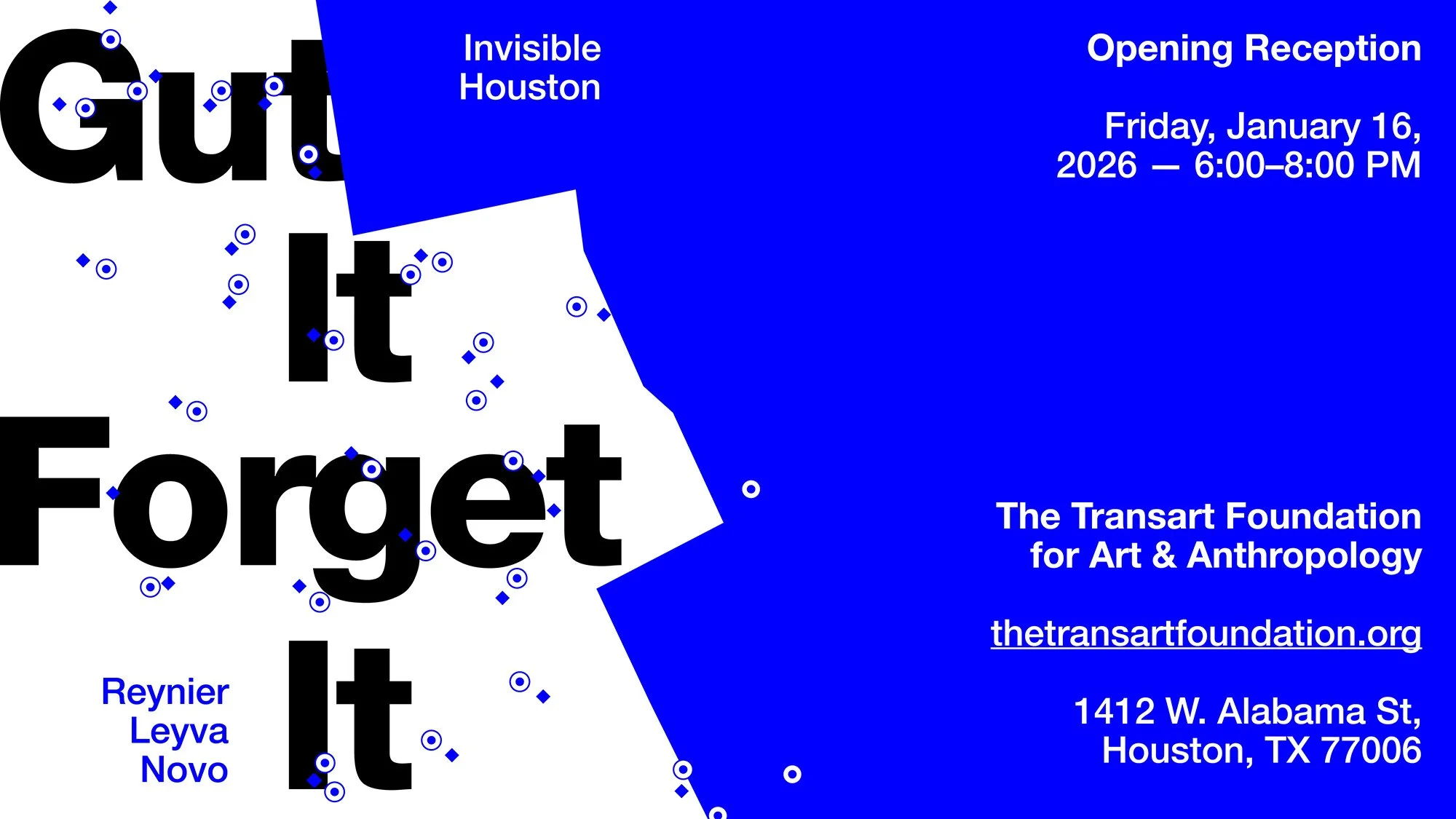
Exhibition open for viewing by appointment only from Thursday to Saturday, 11am to 1pm.
Contact Surpik Angelini at surpik@mac.com or text 713-805-4207.
GUt it, forget it. invisible houston
ESSAY by Surpik Angelini
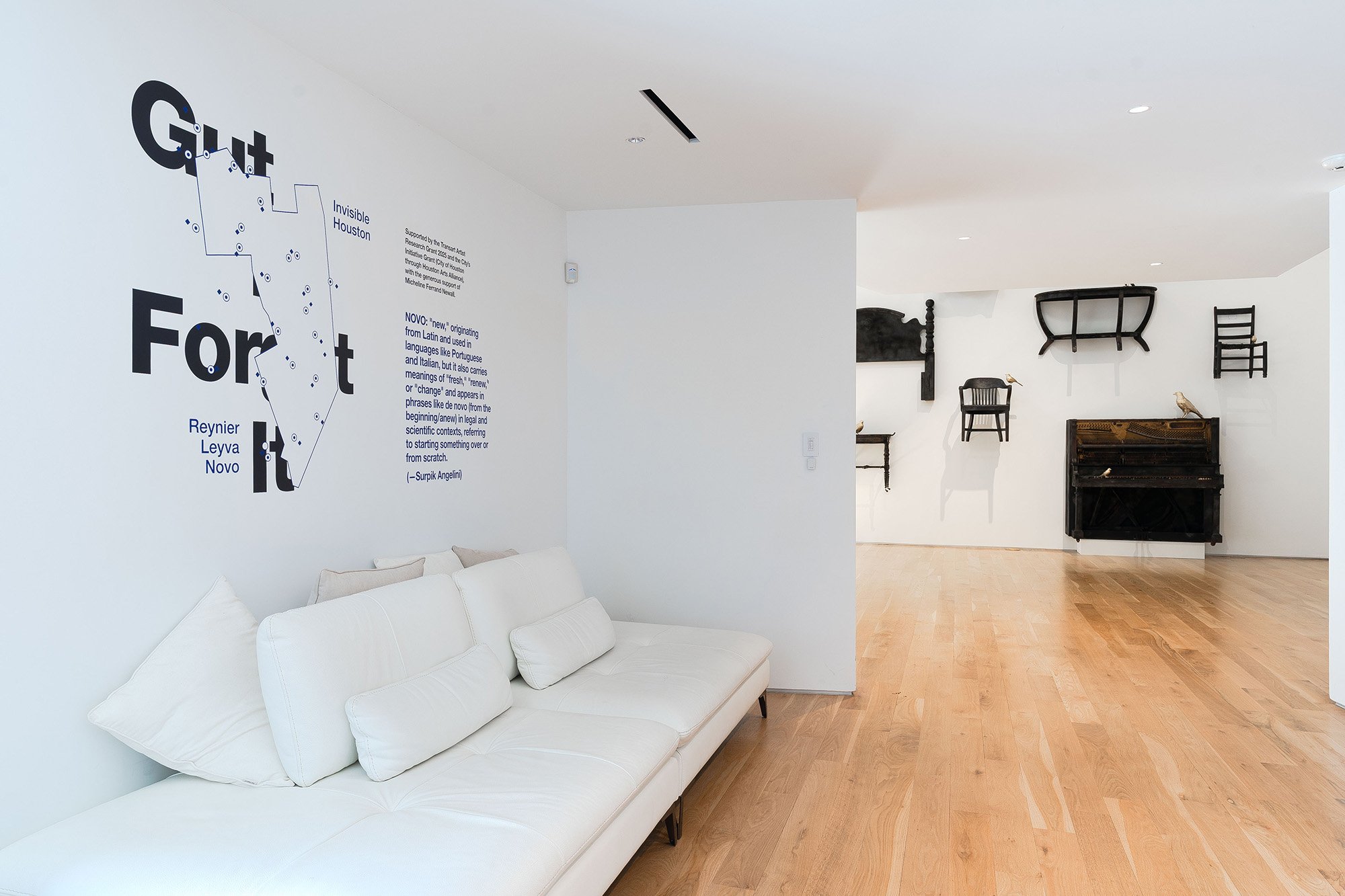
NOVO: "new," originating from Latin and used in languages like Portuguese and Italian, but it also carries meanings of "fresh," "renew," or "change" and appears in phrases like de novo (from the beginning/anew) in legal and scientific contexts, referring to starting something over or from scratch.
Seeming to embody the etymological implications of the word NOVO, his family name, conceptual multimedia artist Reynier Leyva Novo has been focused, through his cultural research and his art, to poetically re-novate or evoke historical events and urban realities that have left prevailing traces in our collective memory.
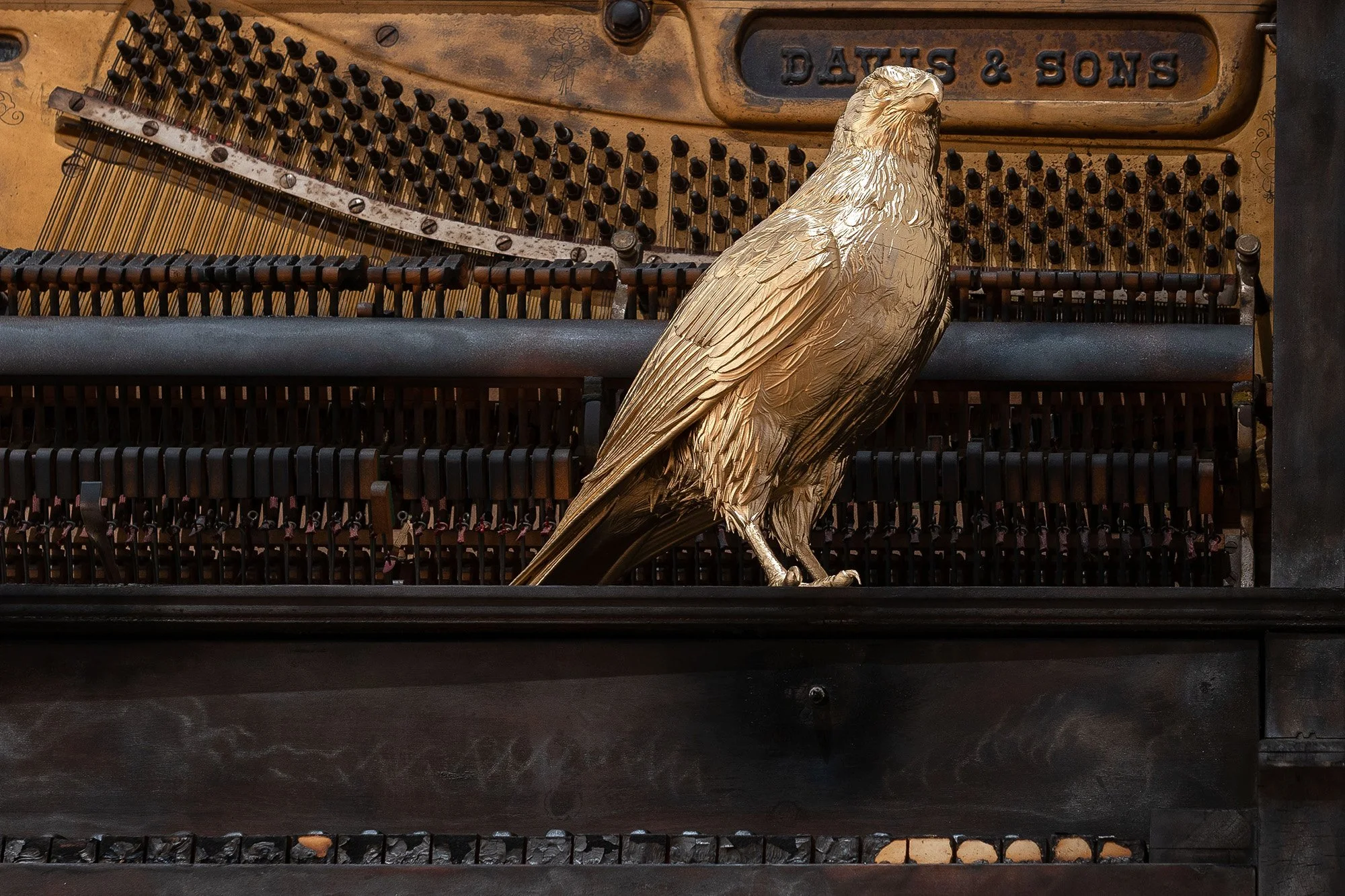
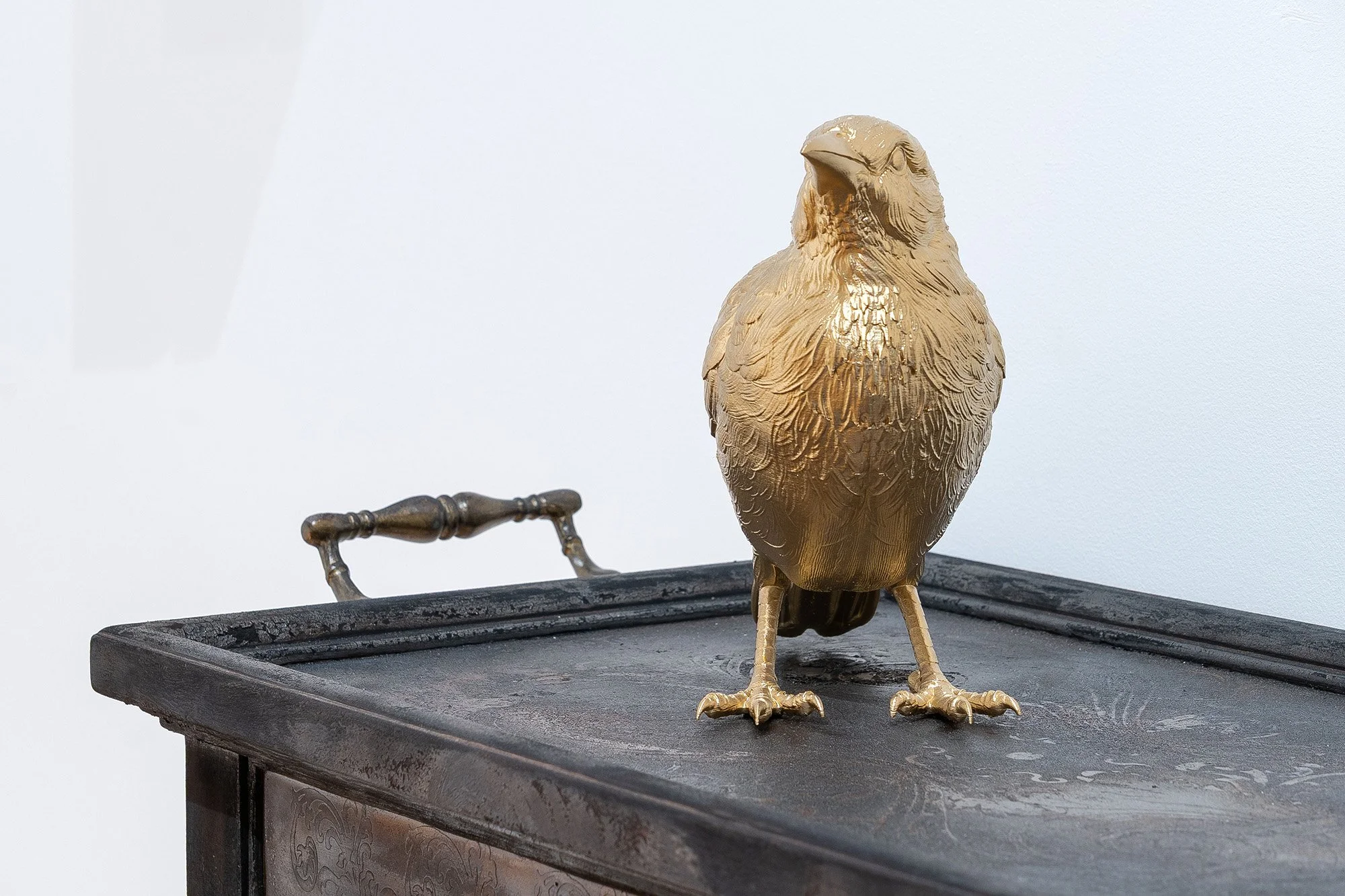
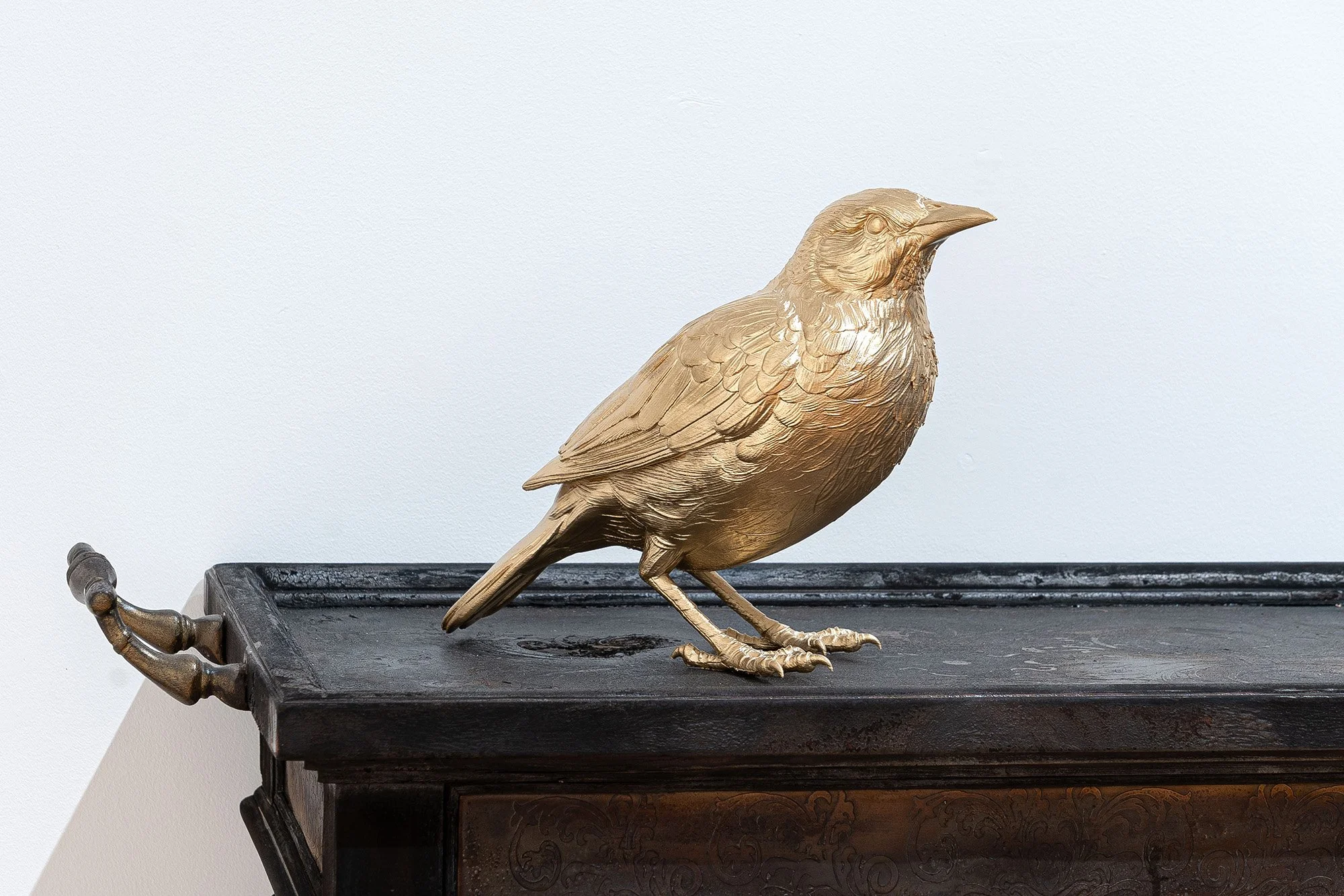
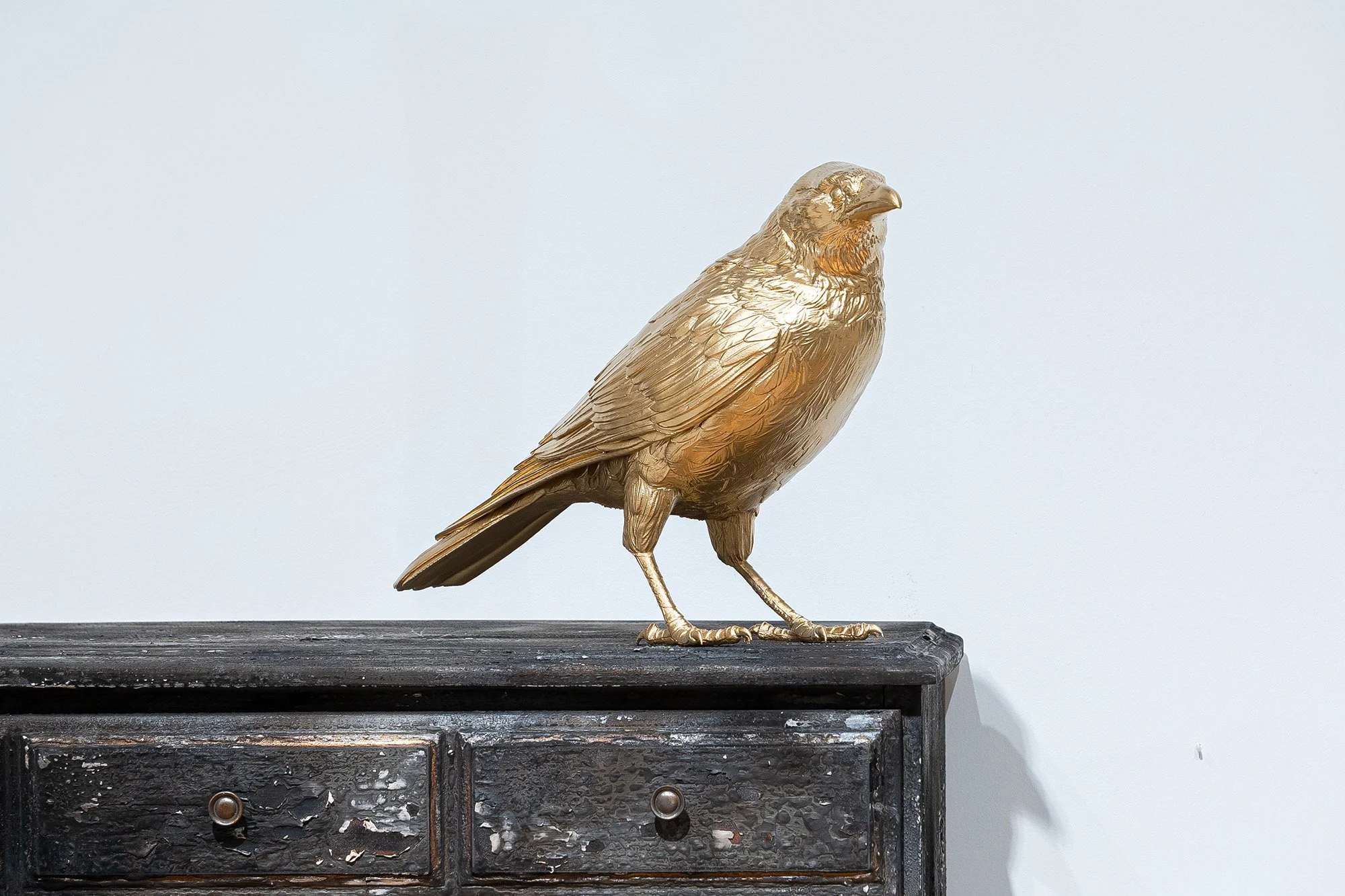
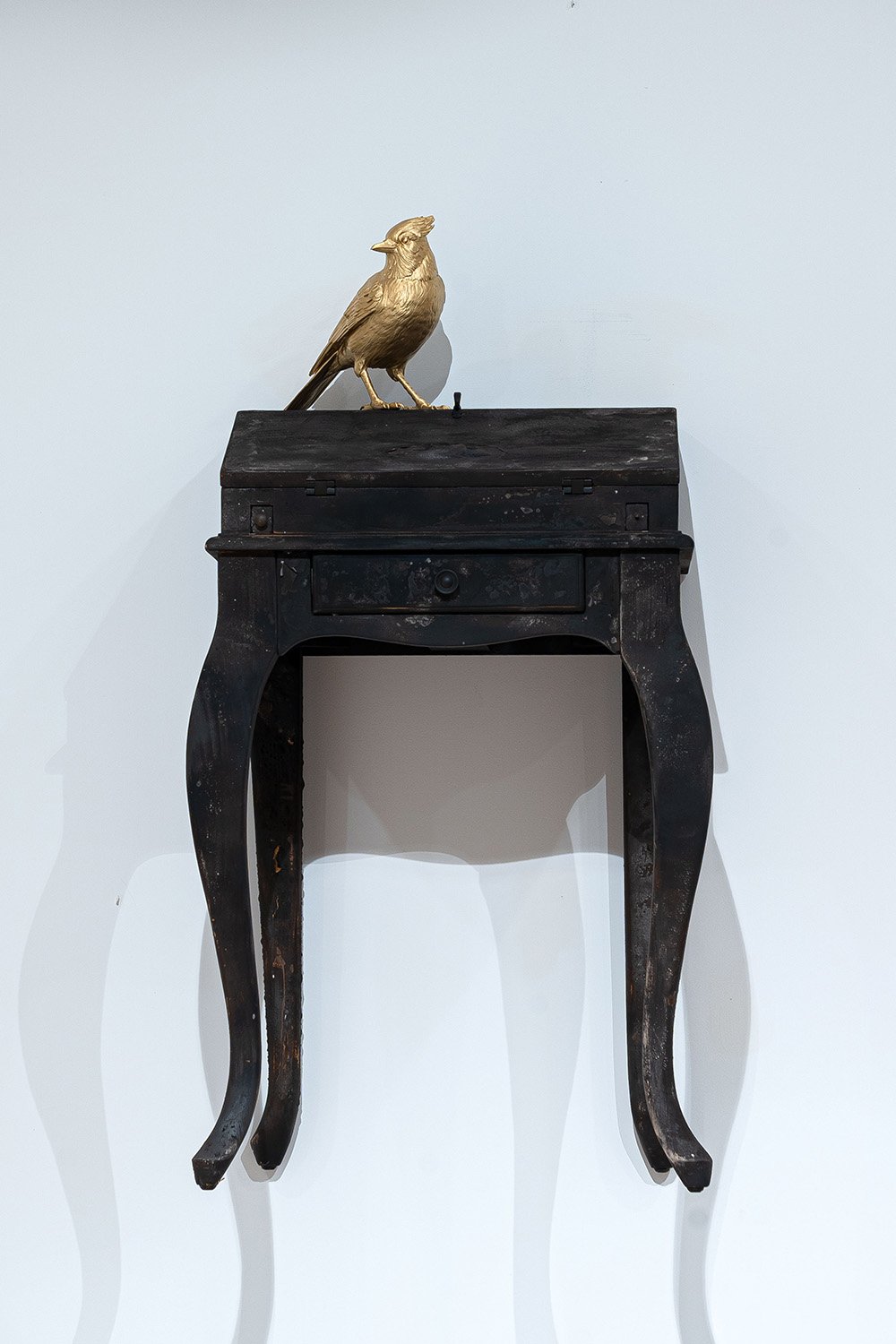
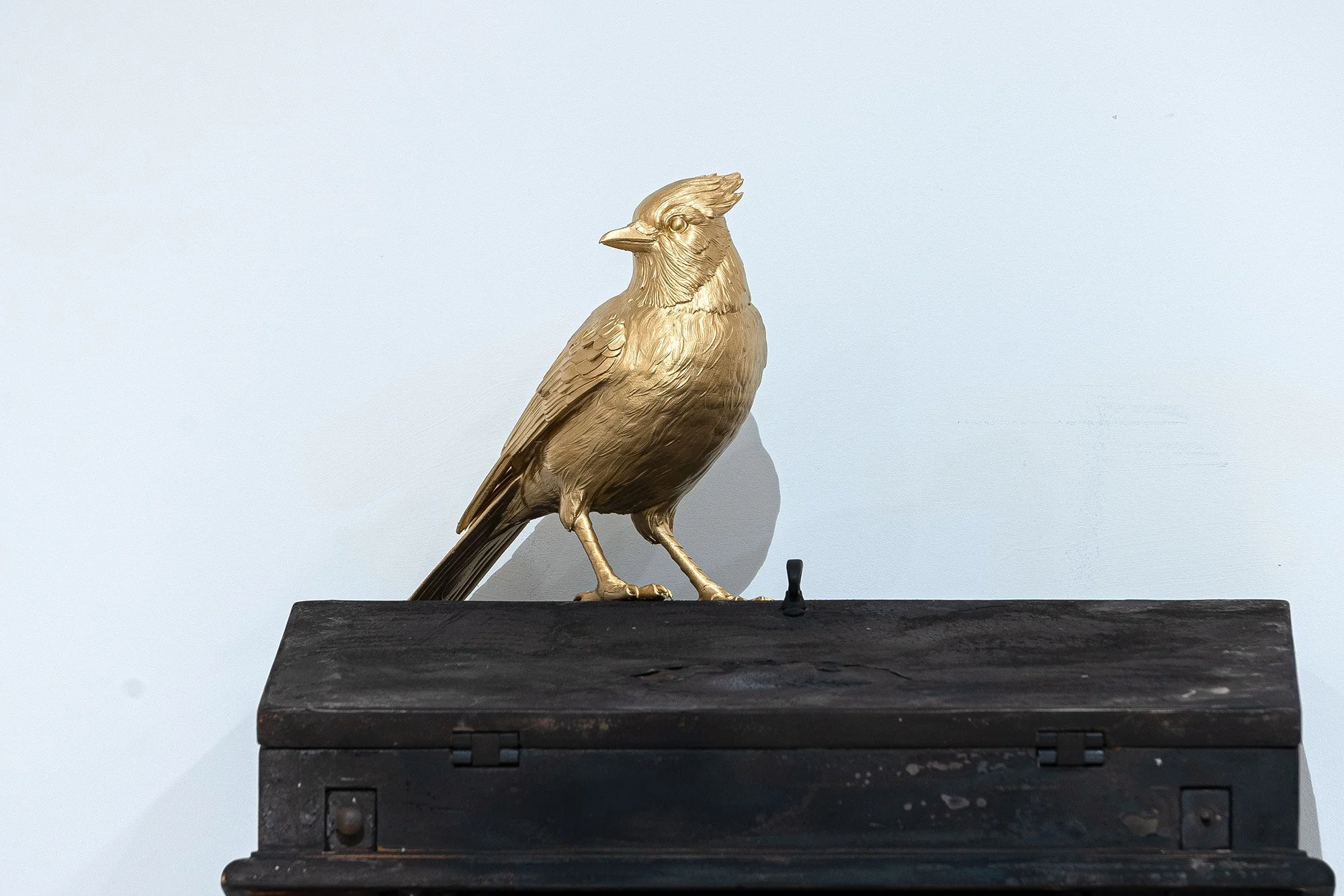
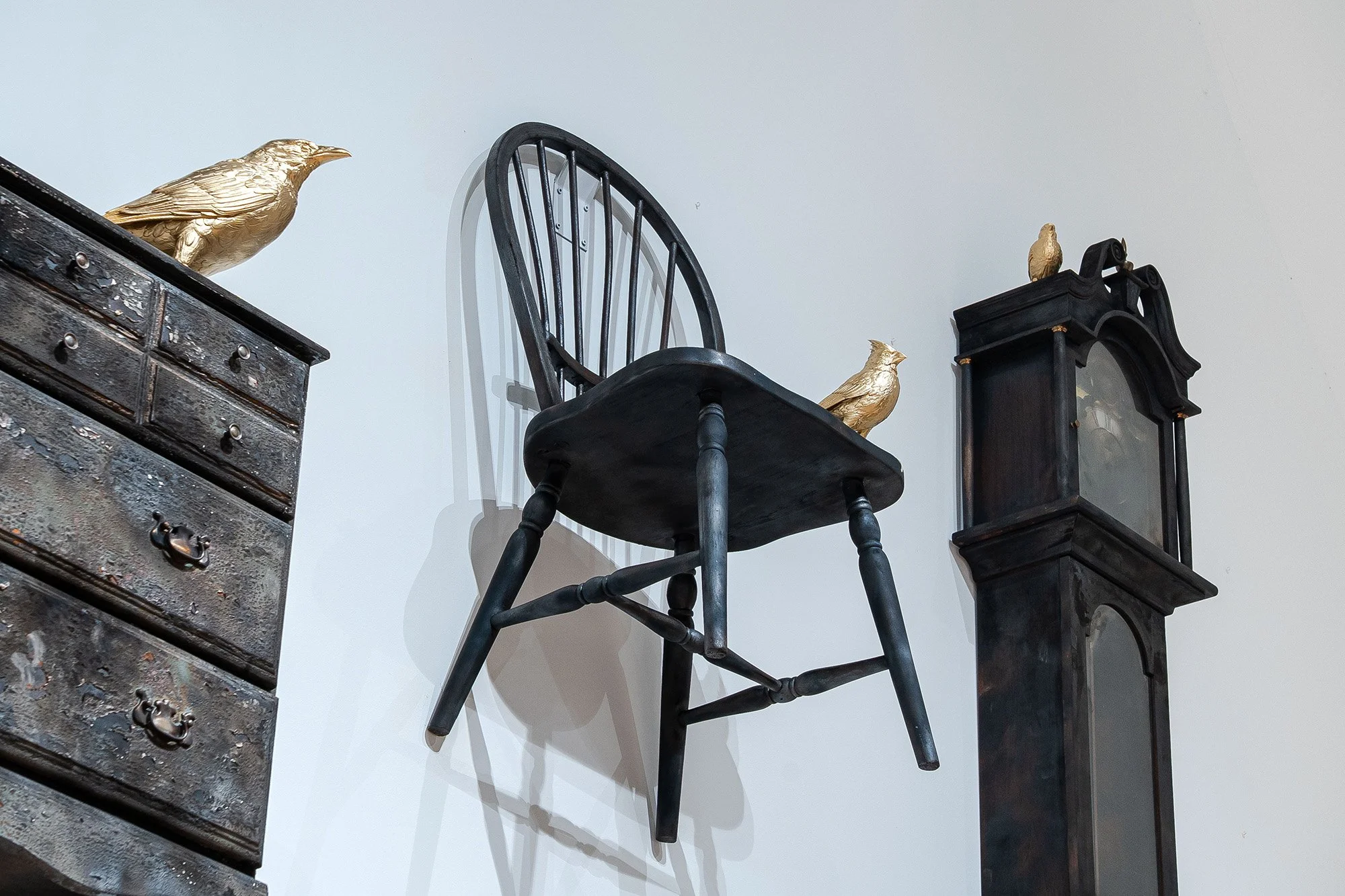
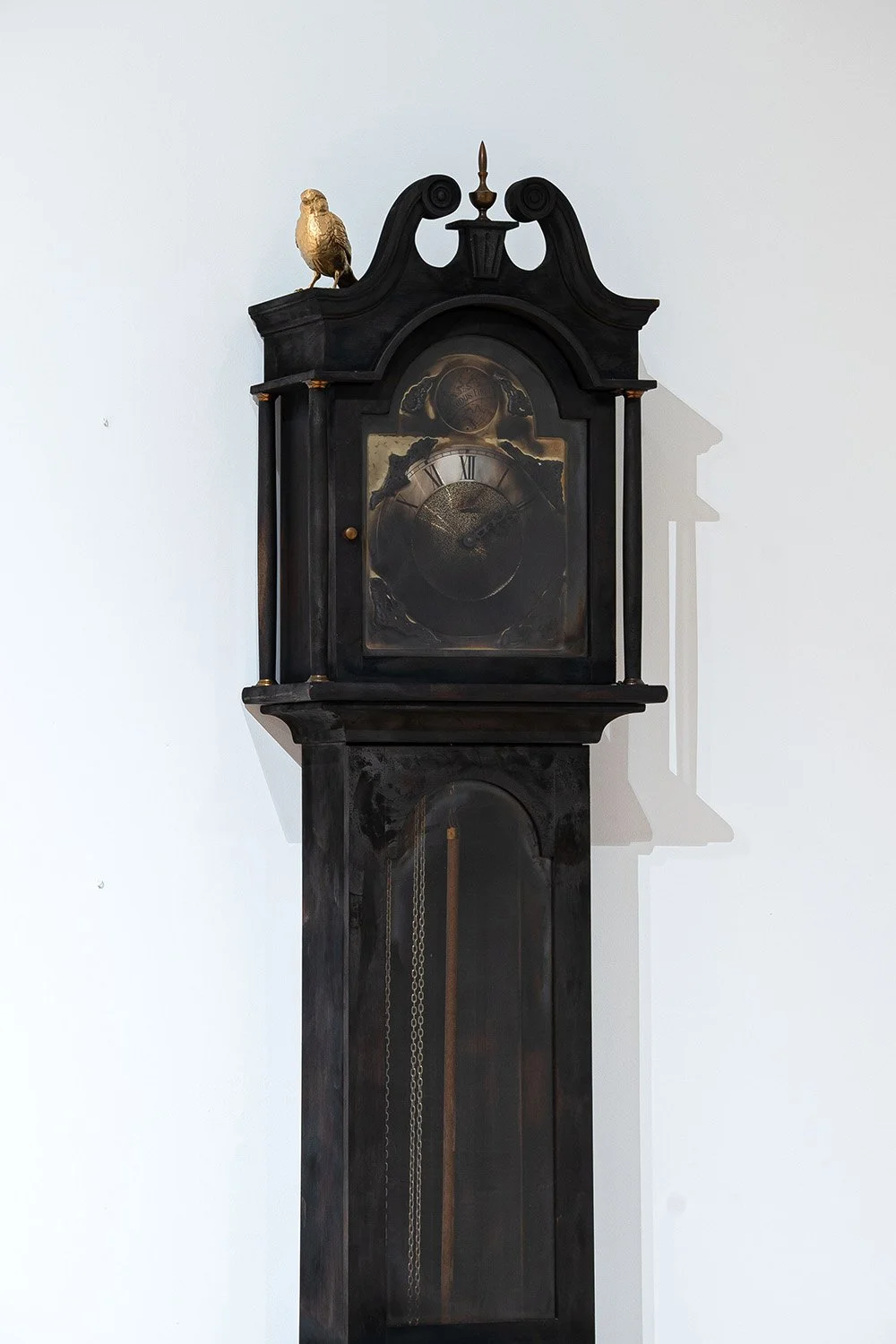
For his current exhibition at Transart, Gut It, Forget It. Invisible Houston, Novo created a monumental assemblage consisting in several burnt pieces of furniture with 3D replicas of identified local birds posed on them, ad hoc, here and there. The piece invokes a personal poise of his experiential daily wanderings through Houston’s Third Ward, burned currents and sounds wafting through the air with a cacophony of songs, now replicated in a sonic atmosphere in our exhibition space.
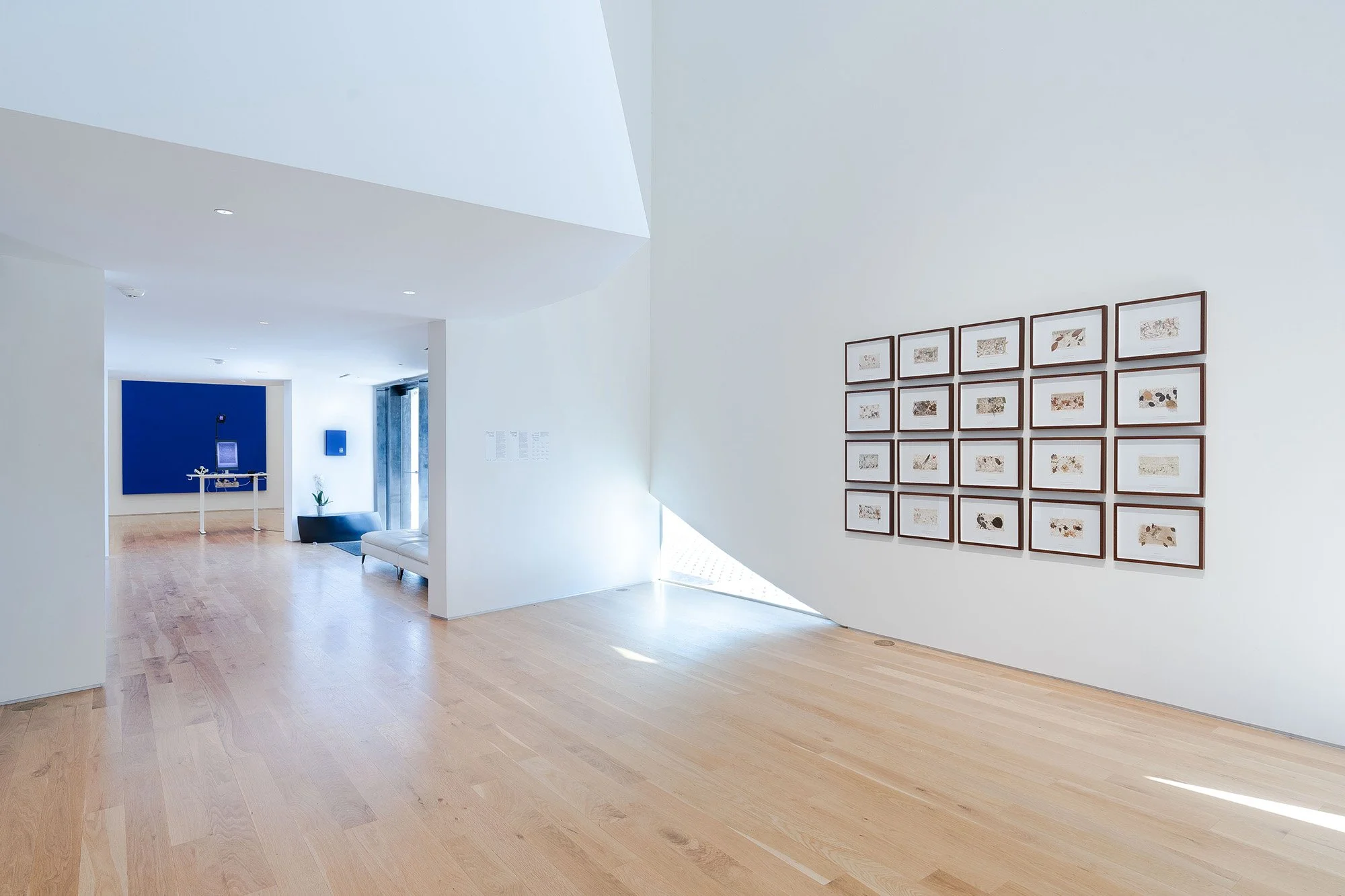
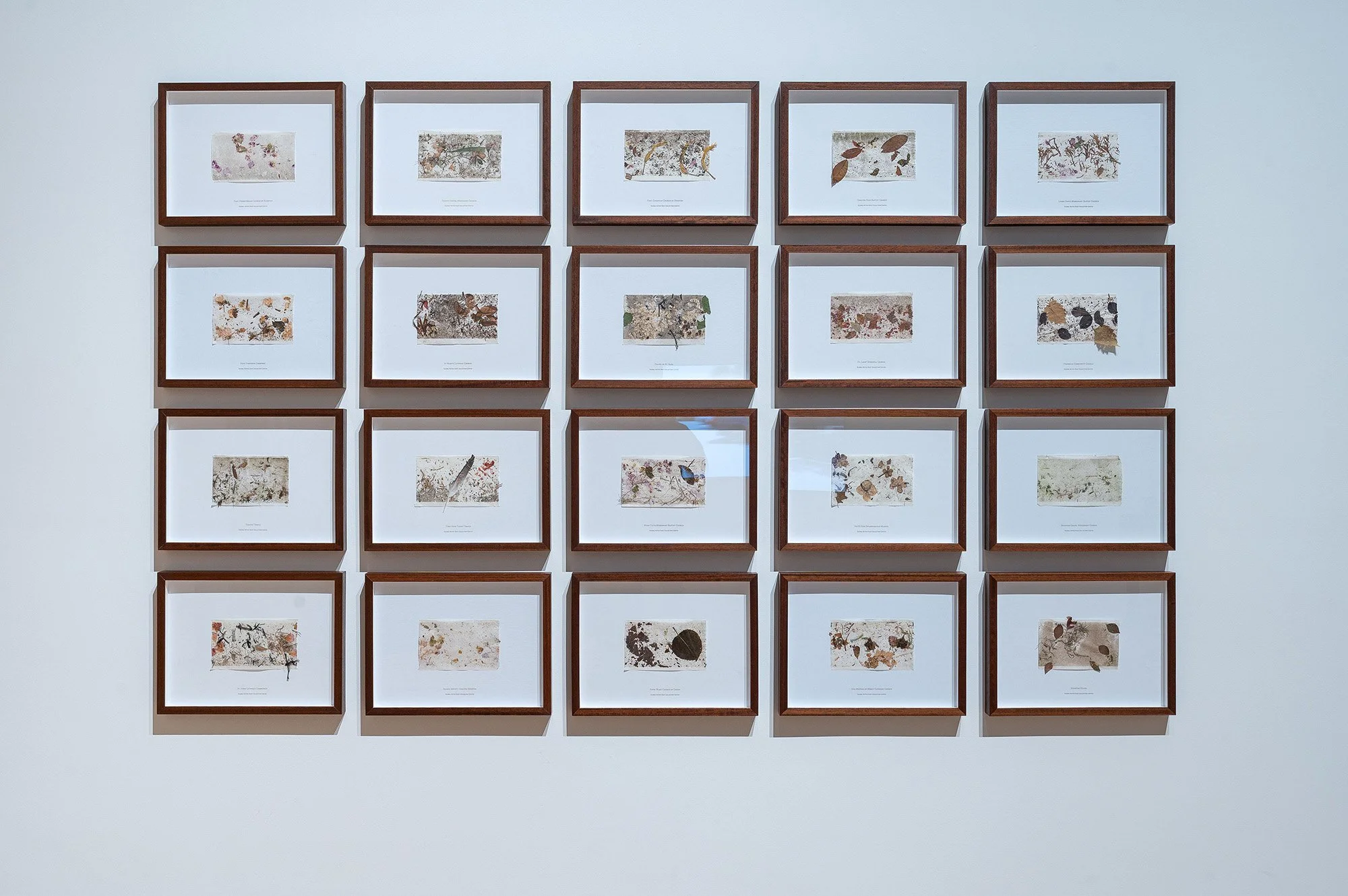
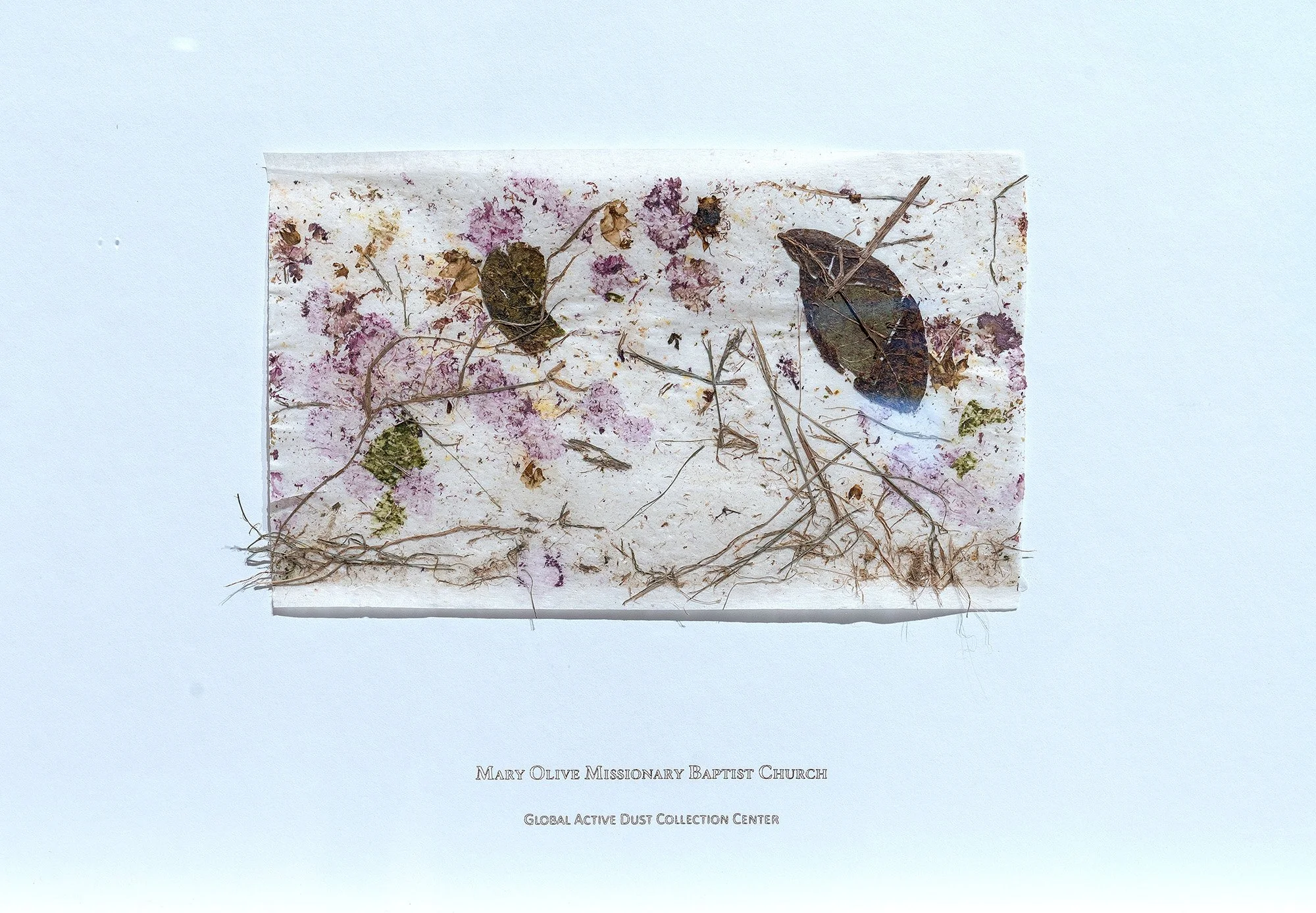
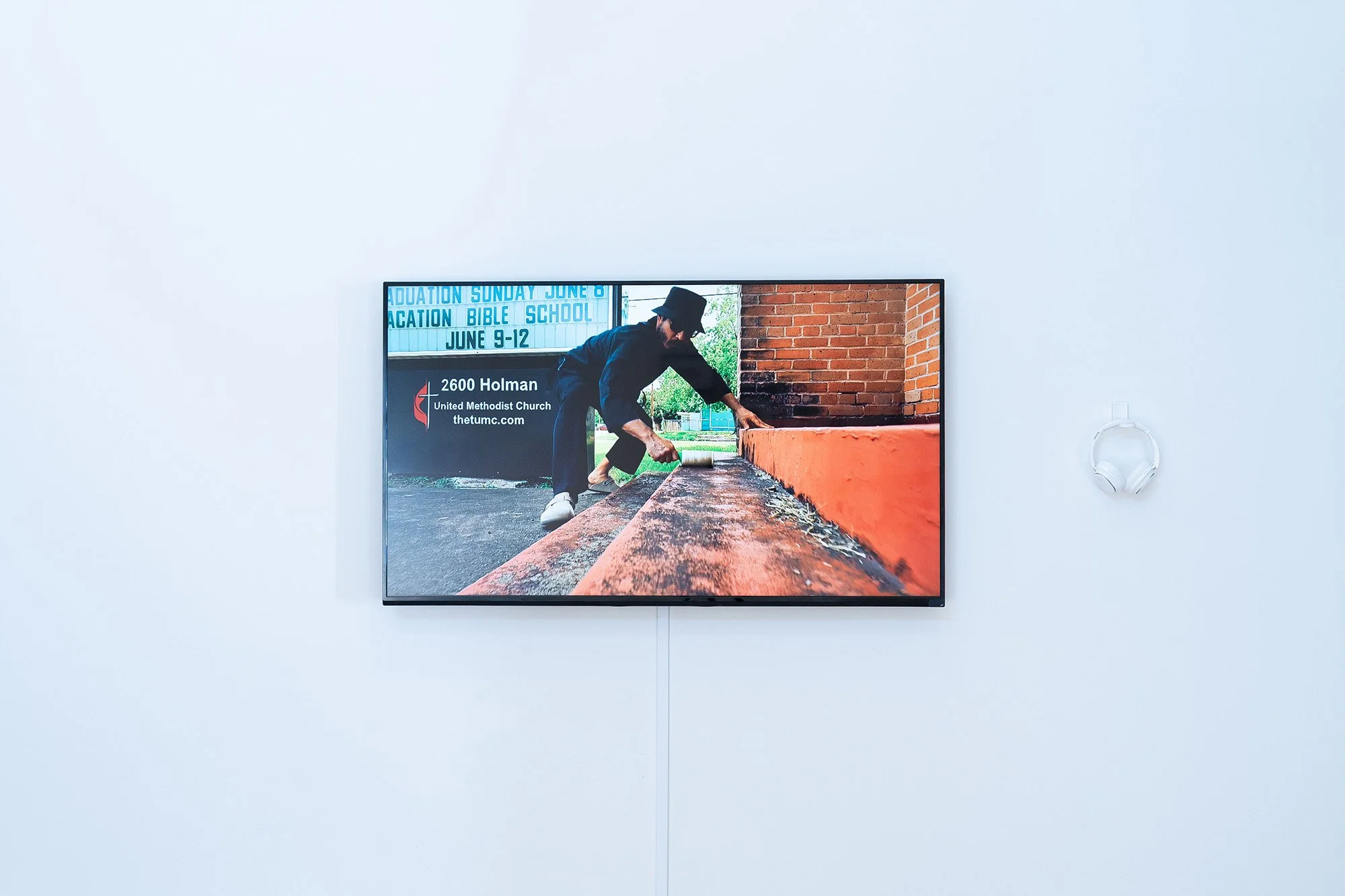
In his extensive exploration of a number of Houston neighborhoods, Novo noted the sustaining presence of sacred sites. Houston has an exceptionally dense religious landscape. Novo collected dust from a number of evangelical Christian churches, particularly those found in African American Wards, as well as from Jewish Synagogues, Buddhist, Taoist, Hindu and Islamic temples located in other Houston neighborhoods. Novo’s collection of Sacred Dust and their accompanying video documentations, composes a vast body of work, partially included in our current exhibition.
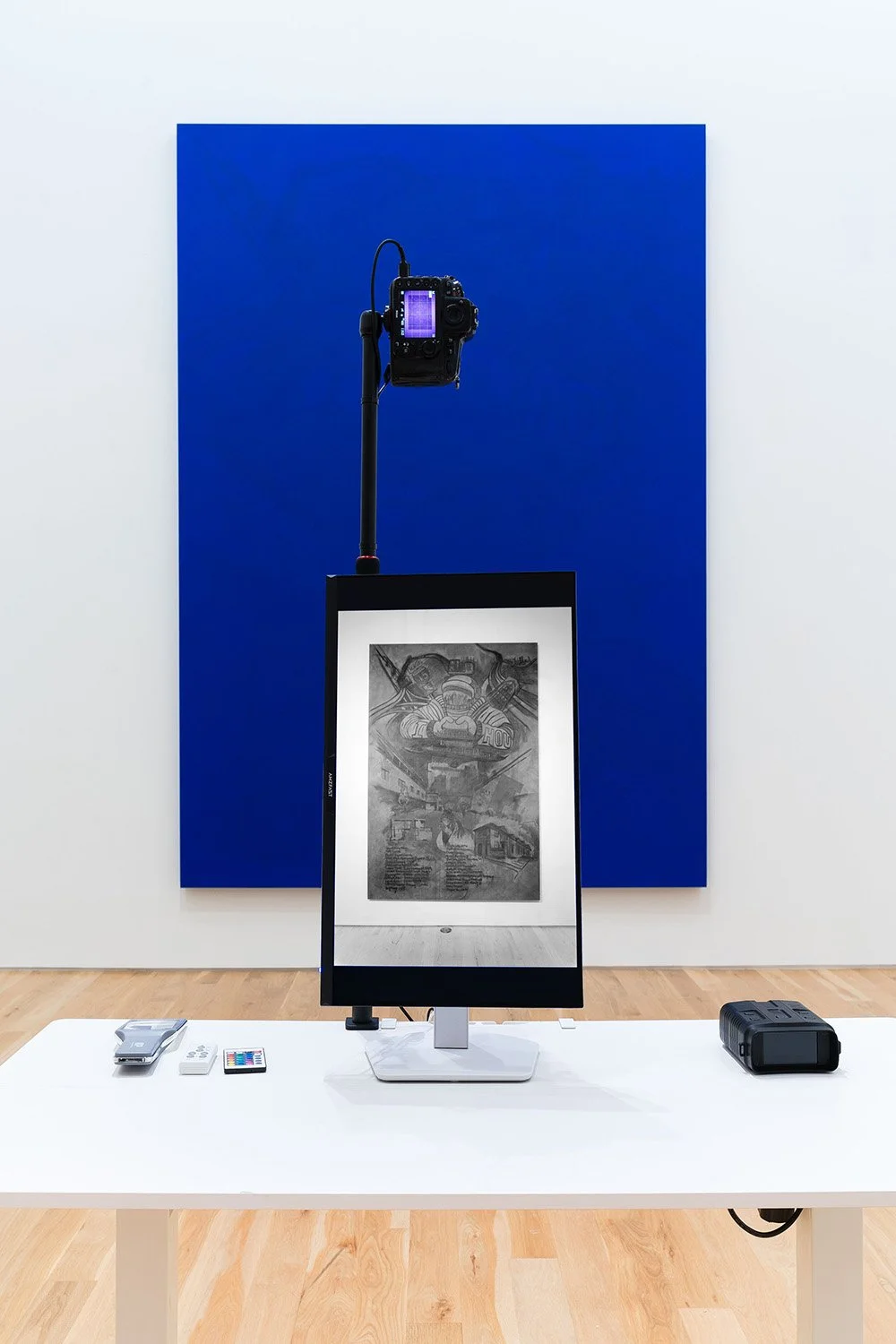
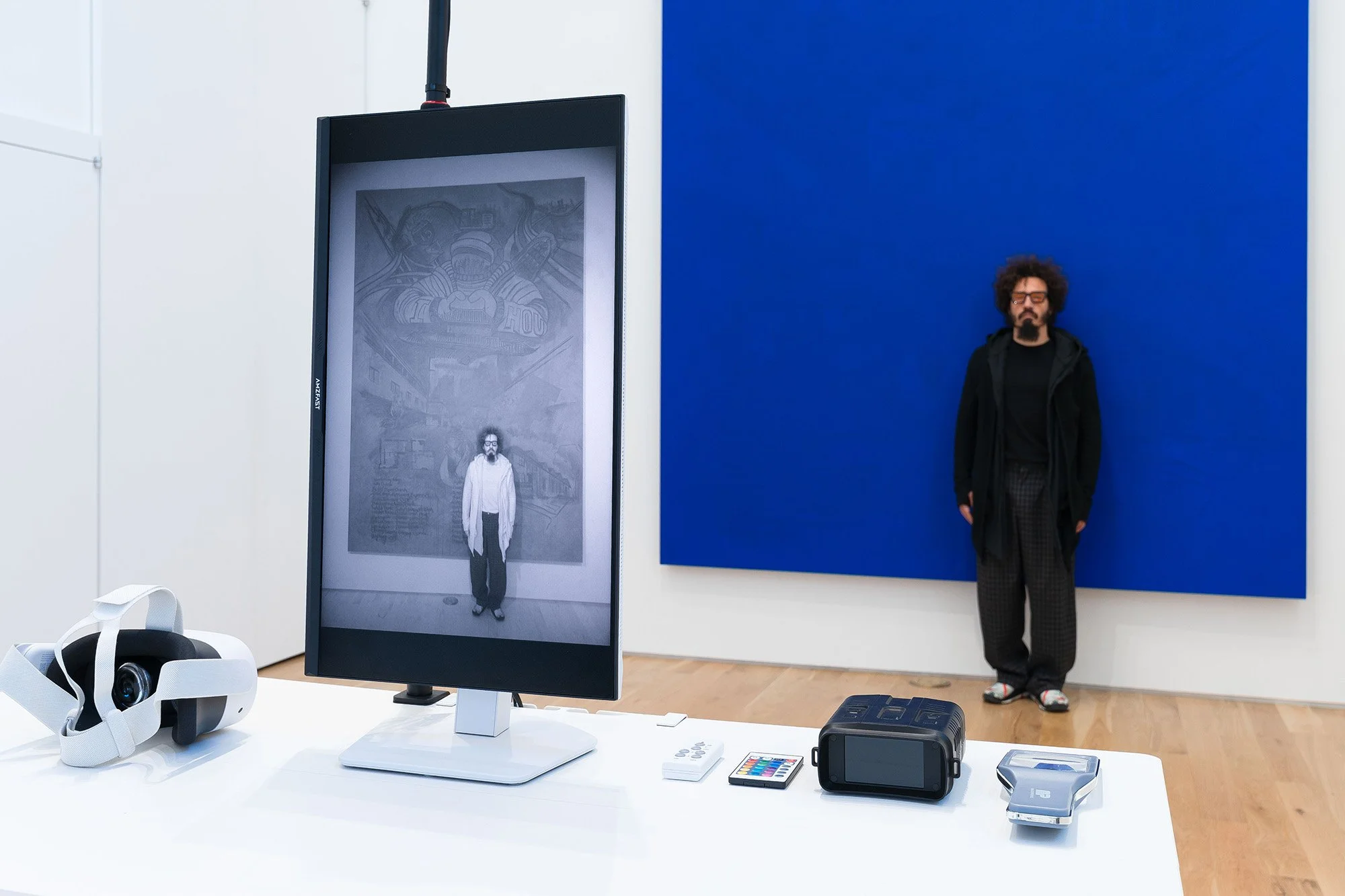
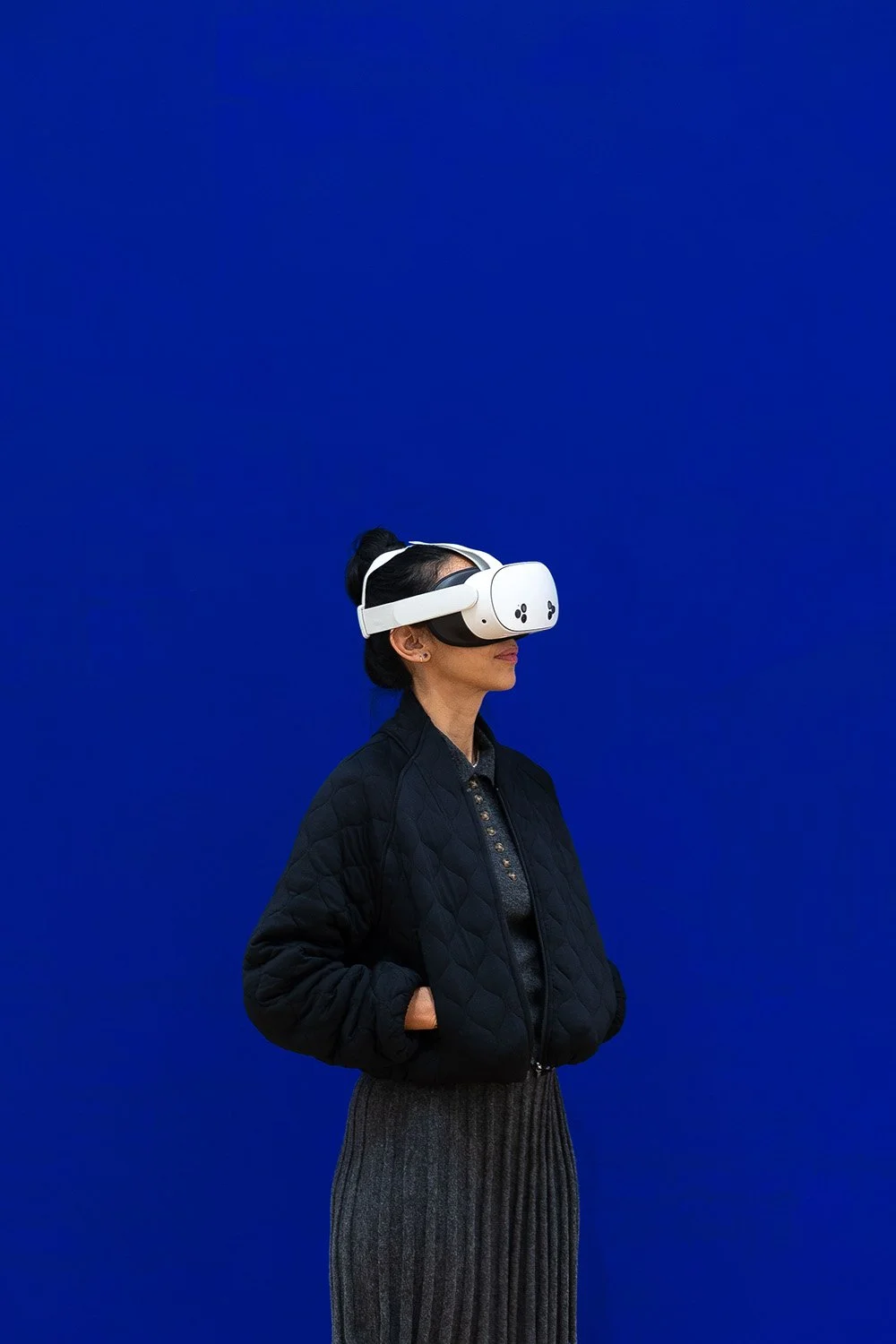
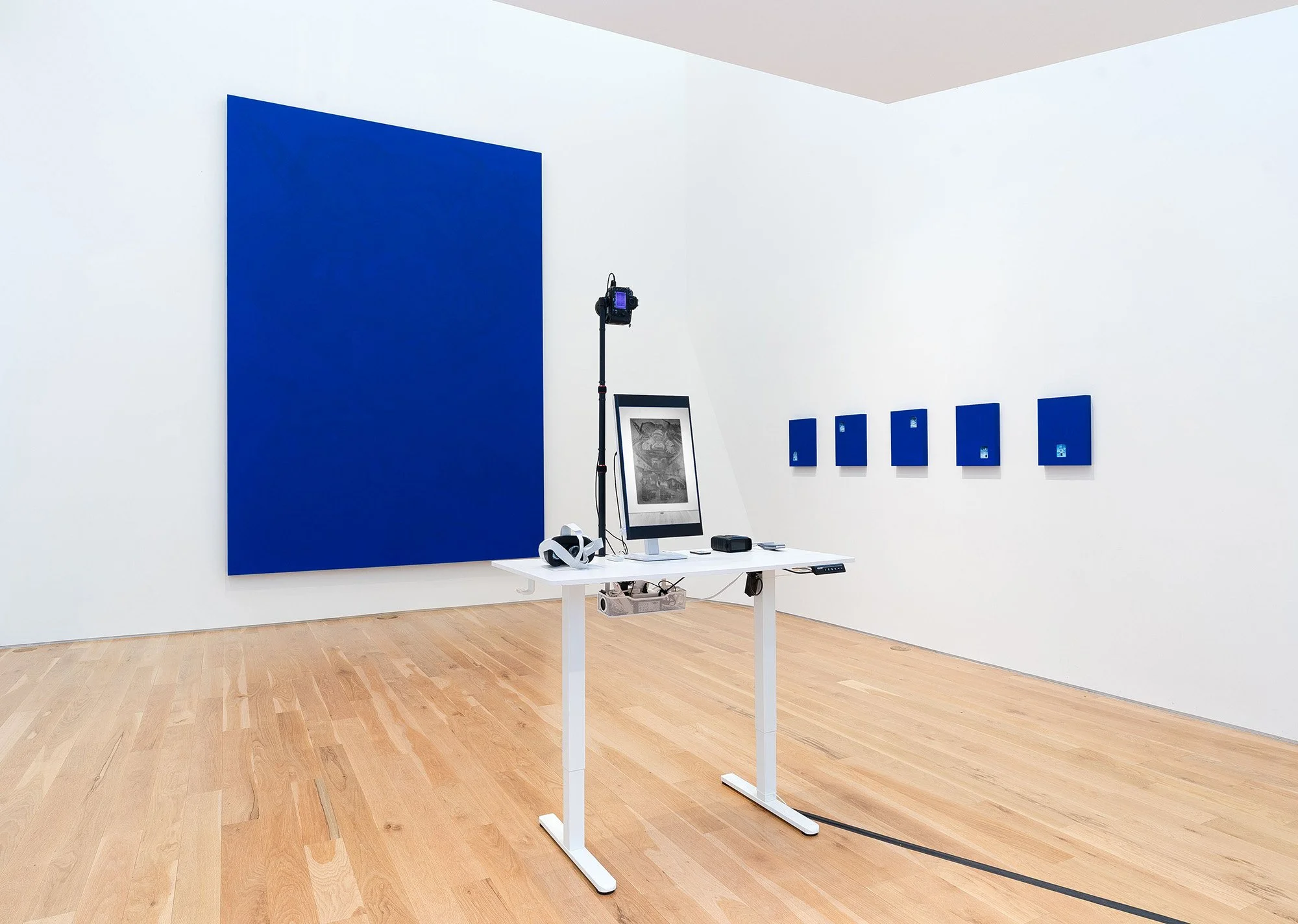
Novo’s third nod to Houston’s Invisible Hauntology, consists in evoking a number of gutted historical buildings in Houston, through a 9 ft x 13 ft monumental painting. Beneath its monochromatic blue surface, the artist has hidden a list of lost historical sites. Ironically, a figure of a cosmonaut looms over the memorial listing. The original cosmonaut was originally rendered on the façade of a gutted building located in the now defunct Graffiti Park. These hidden images can be perceived by the viewers with infrared technology through different devices.
A cosmonaut: Houston’s symbolic figure of the future, now gutted and defunct.
Counteracting Houston’s tendency to obliterate its own history, Reynier Leyva Novo is now working to create an Open archive, which will publicly offer people’s personal accounts, family histories, collected photographs, sounds, iconographical urban testimonies. This project is generously supported by the Center for Art and Humanities and The Houston Public Archives at the University of Houston, Harvest History TSU.
OPEN ARCHIVE
Third Ward is a year-long public call to build a common archive of neighborhood life and change. Residents, families, congregations, schools, and small businesses are invited to share photographs, documents, audio, video, and other personal records connected to places and people in the Third Ward. The initiative expands the public record by recognizing everyday materials as primary historical sources and first-person memory as essential evidence.
Reynier Leyva Novo
Reynier Leyva Novo (b. 1983, Havana, Cuba) is an artist and activist based in Houston, Texas. His multidisciplinary practice examines how power operates through memory, ideology, and the systems that shape public life. Working across installation, sculpture, painting, digital technologies, and data-driven methods, Novo builds conceptually precise works grounded in historical research and sociopolitical analysis—tracking how political, economic, spiritual, and environmental forces become tangible in bodies, landscapes, and collective experience. His projects develop through long-term investigations and collaborations with historians, scientists, conservation specialists, programmers, perfumers, military strategists, and communities.
Novo has participated in major international exhibitions including the Liverpool and Pontevedra Biennials (2010), the Venice Biennale (2011, 2017), the Montevideo Biennial (2012, 2016), the 12th Havana Biennial (2015), the Sorocaba Triennial (2017), the 00 Biennial (2018), the 13th Havana Biennial (2018), the Shanghai Biennale (2018), the 6th Ghetto Biennale (Port-au-Prince, 2019), the Aichi Triennale (2019), FotoFest Biennial (2022), and La Gran Bienal Tropical (2025). His work is held in public collections including the Hirshhorn Museum and Sculpture Garden, Walker Art Center, Pérez Art Museum Miami, Museum of Fine Arts Houston, Jordan Schnitzer Museum of Art, The Bronx Museum of the Arts, Art Gallery of Ontario, El Museo del Barrio (New York), Museo Nacional de Bellas Artes (Havana), Banco de la República (Bogotá), and Fundación Masaveu (Asturias). He is a recipient of the VIA Art Fund Grant (2022), the Pommery Prize at The Armory Show (2022), and was named Artist of the Year by the Brownstone Foundation (2021).
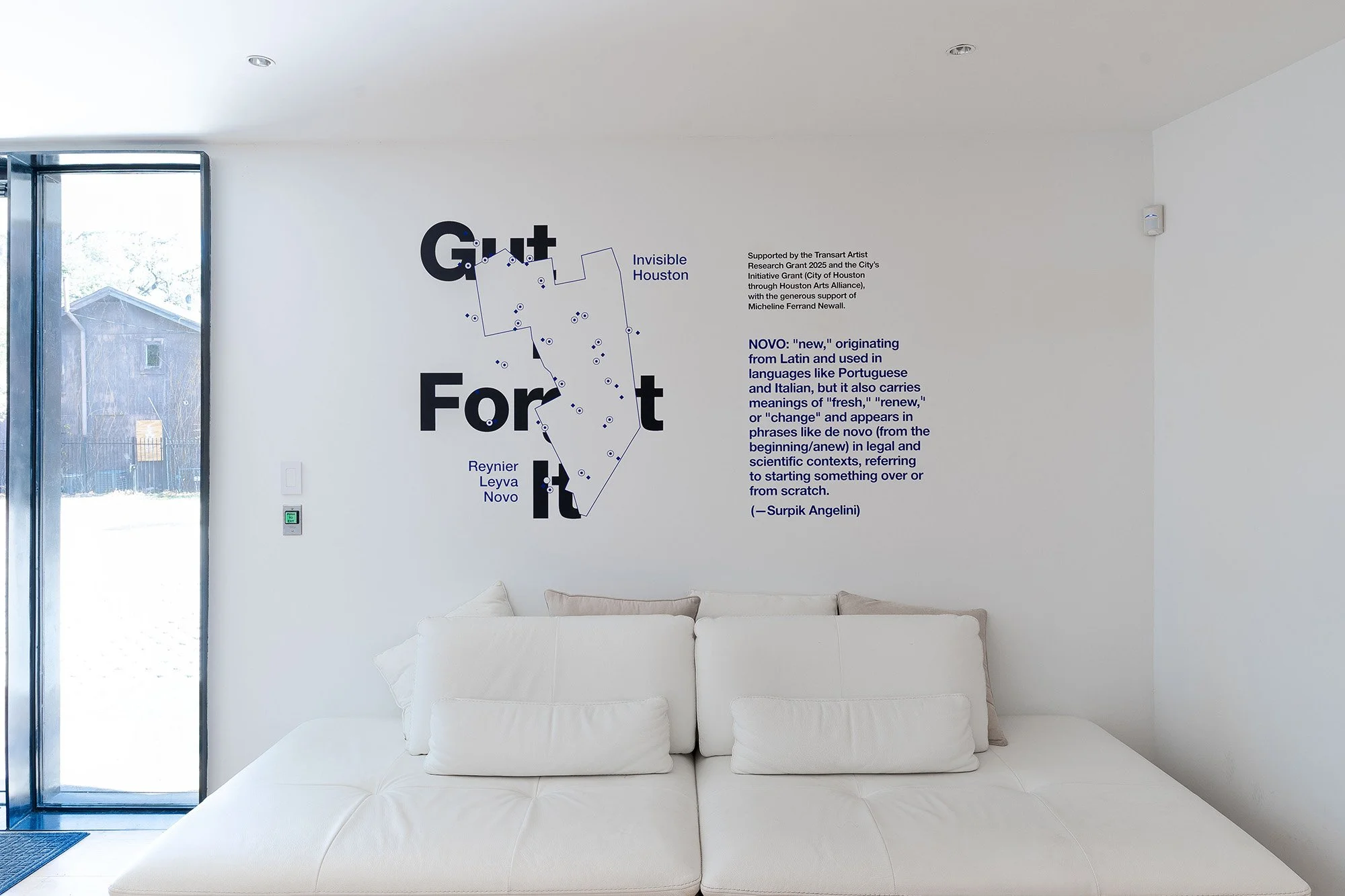
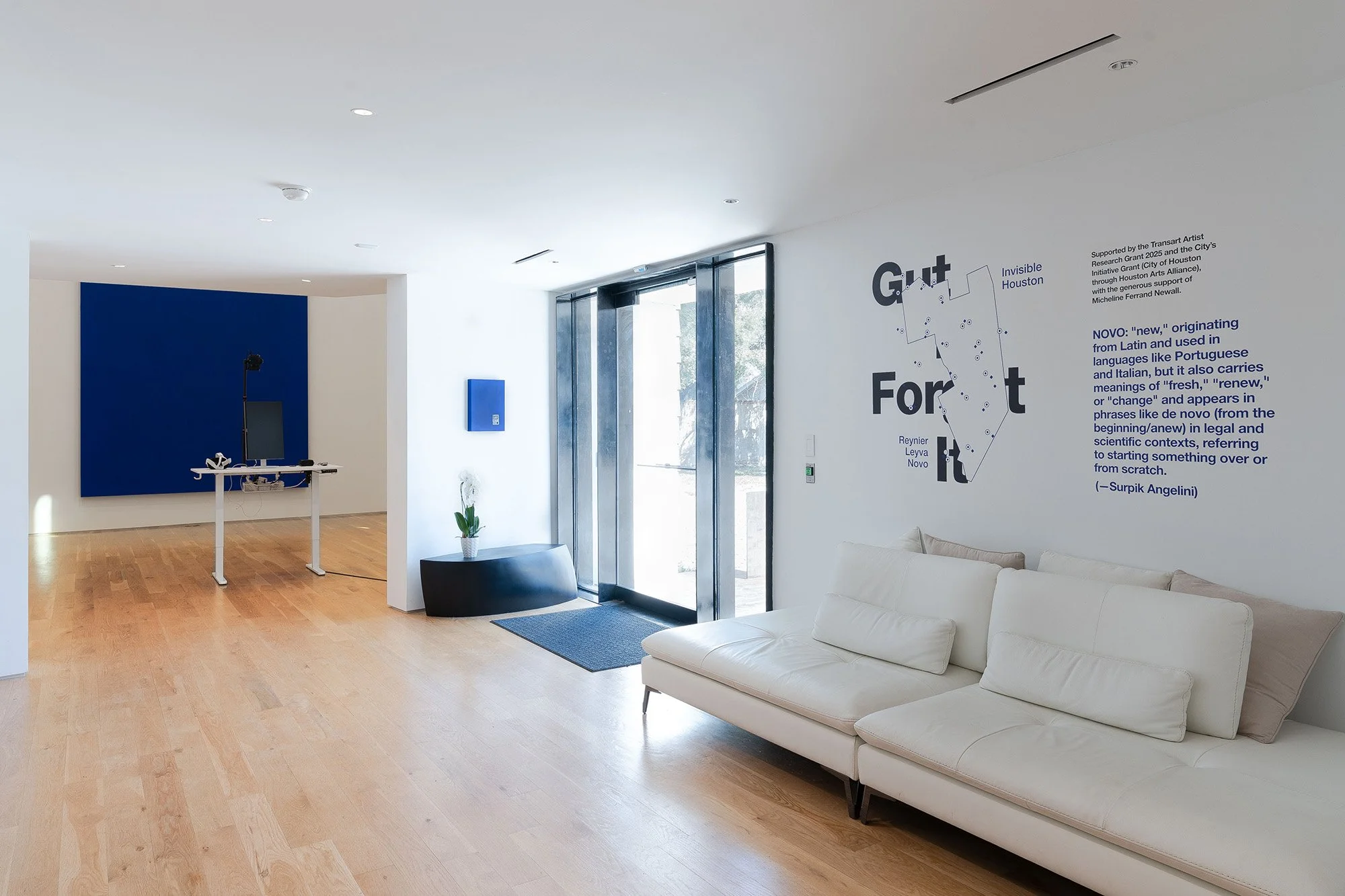
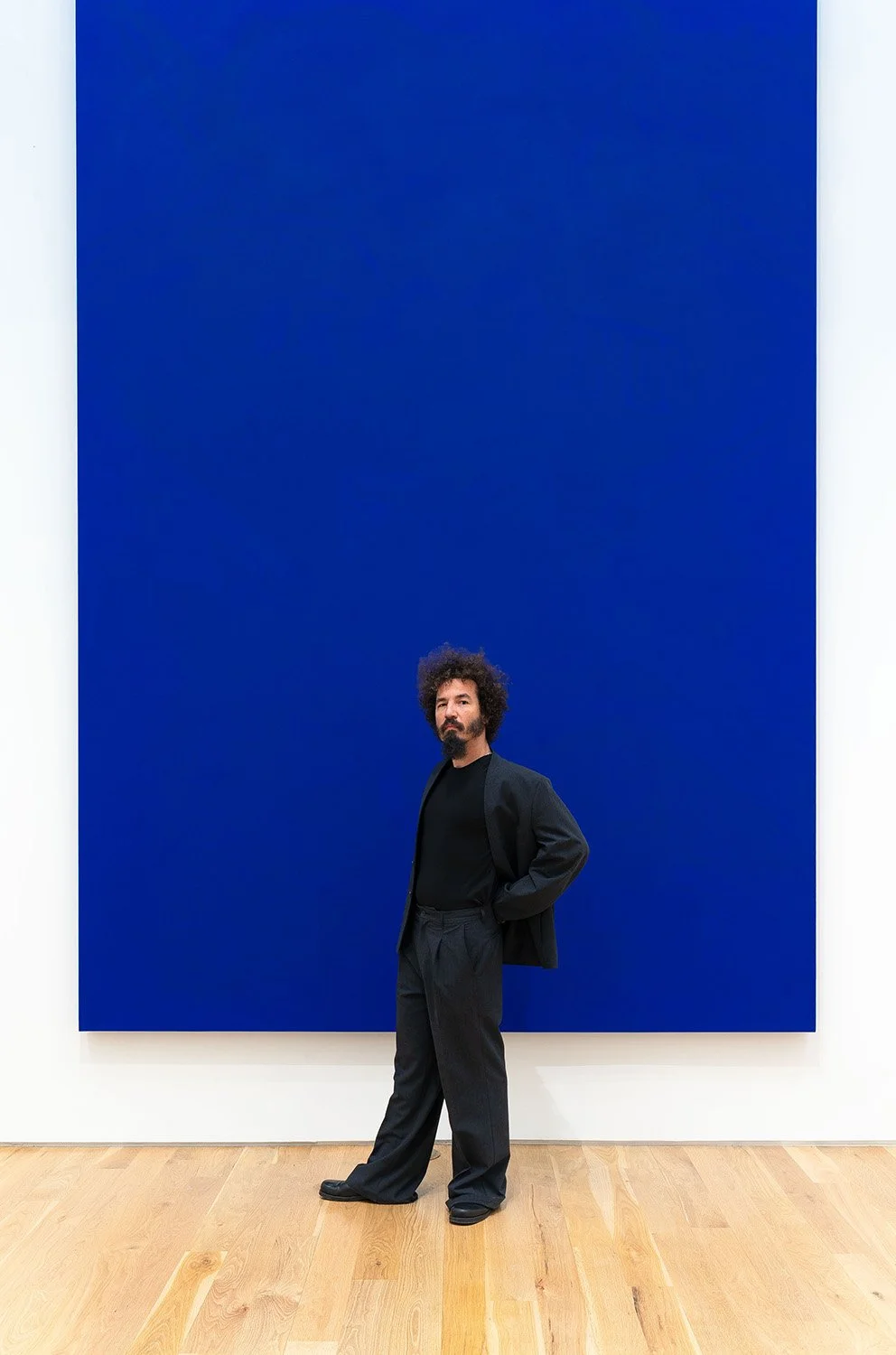
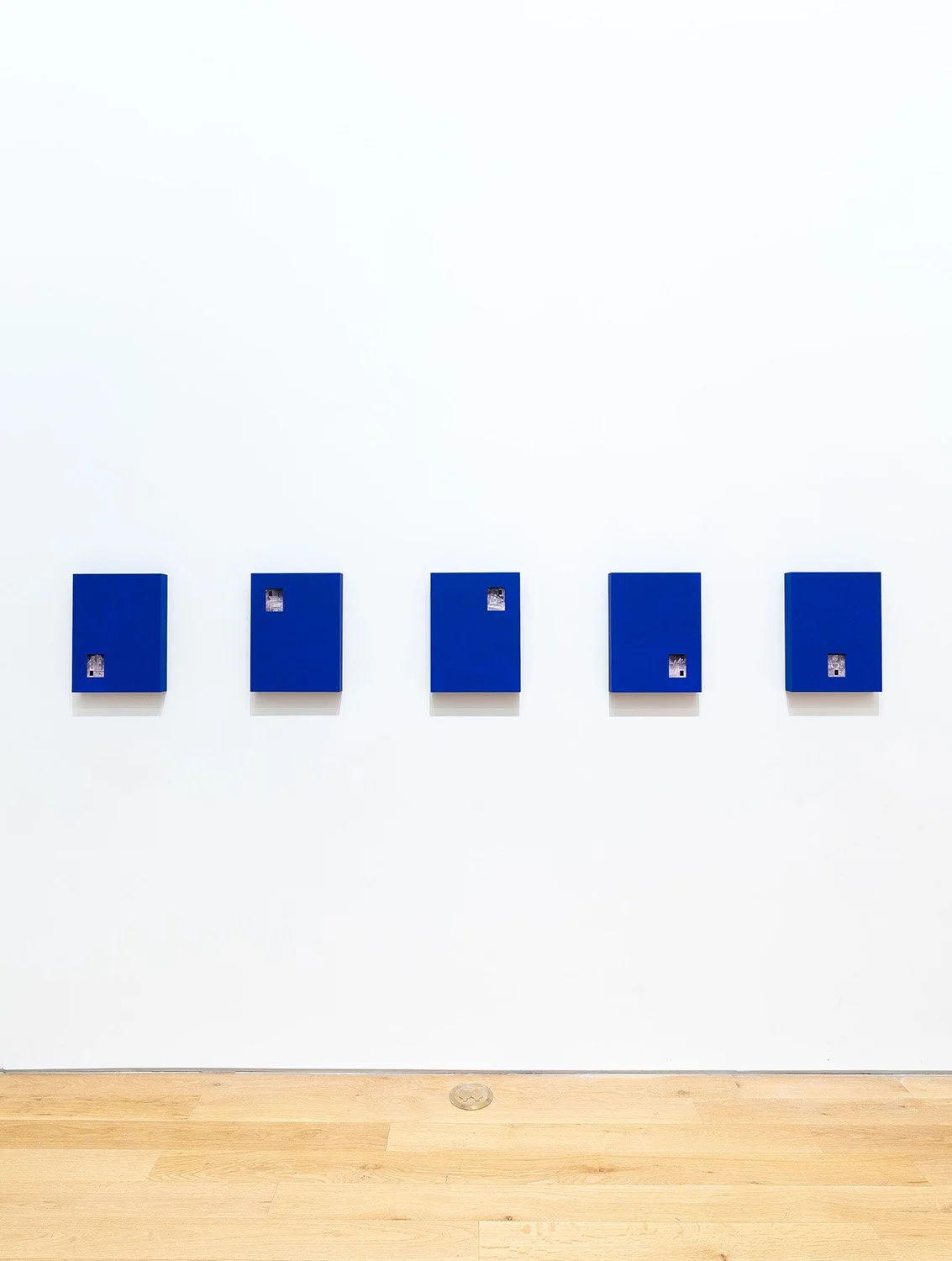
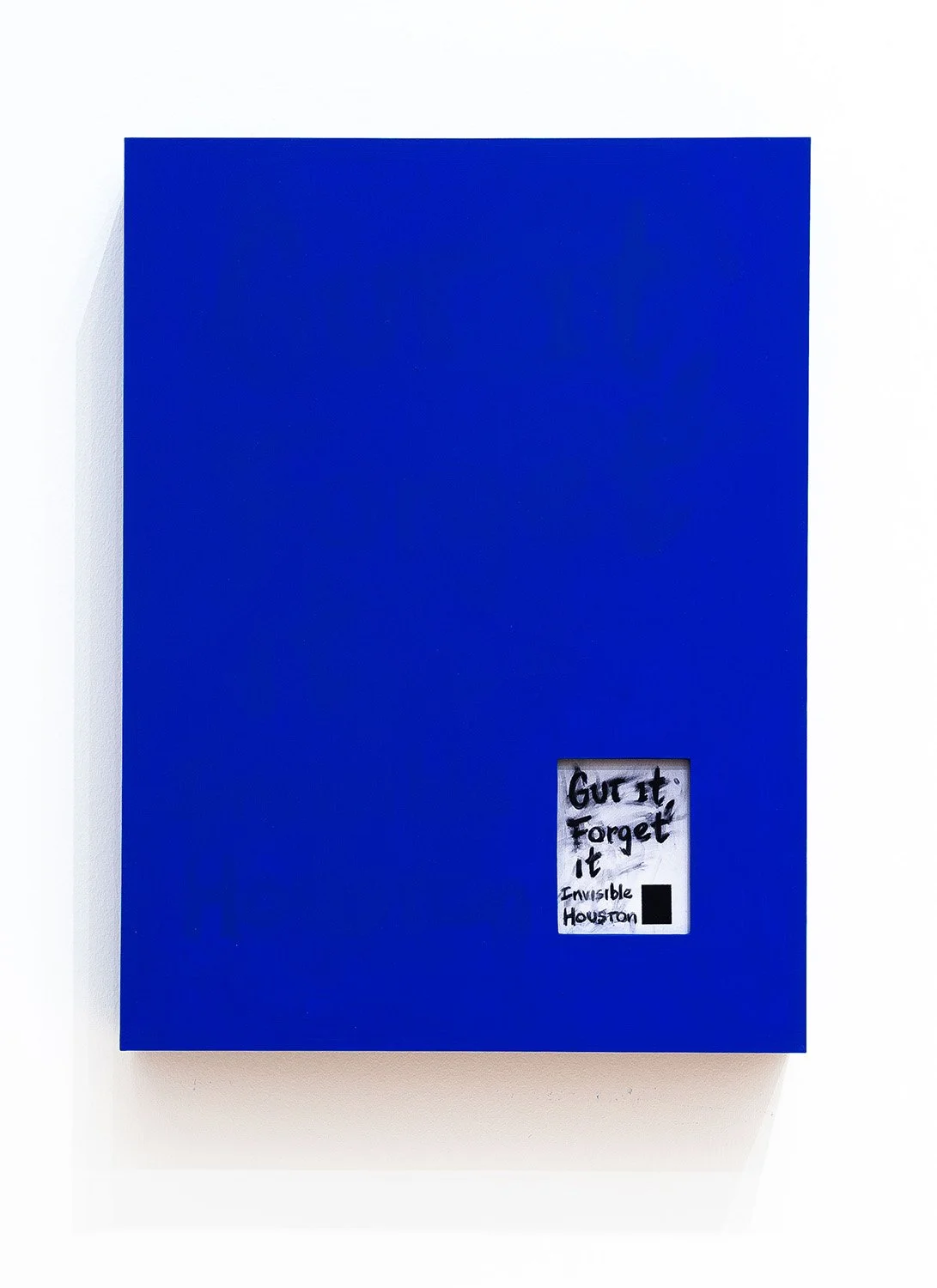
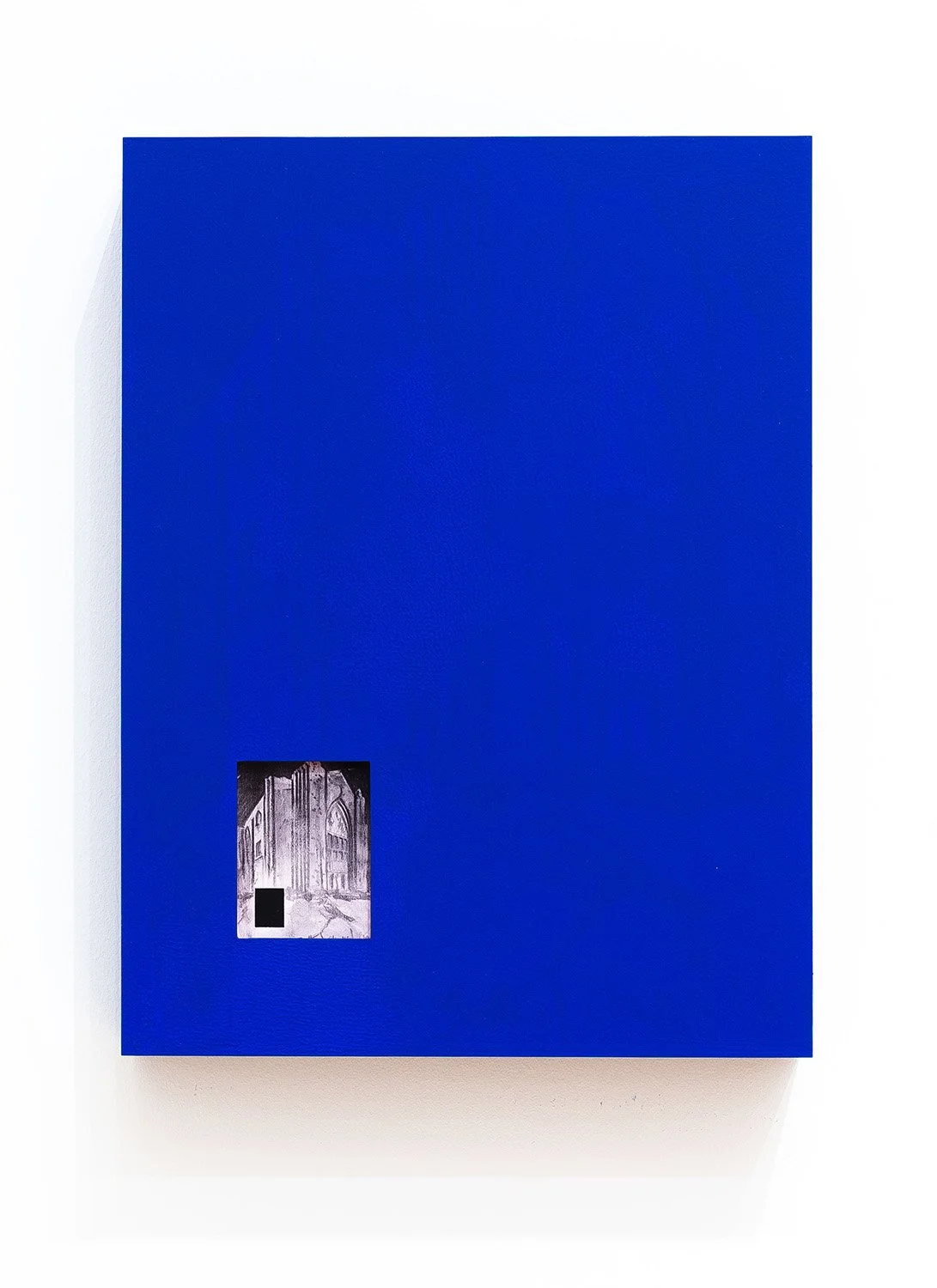
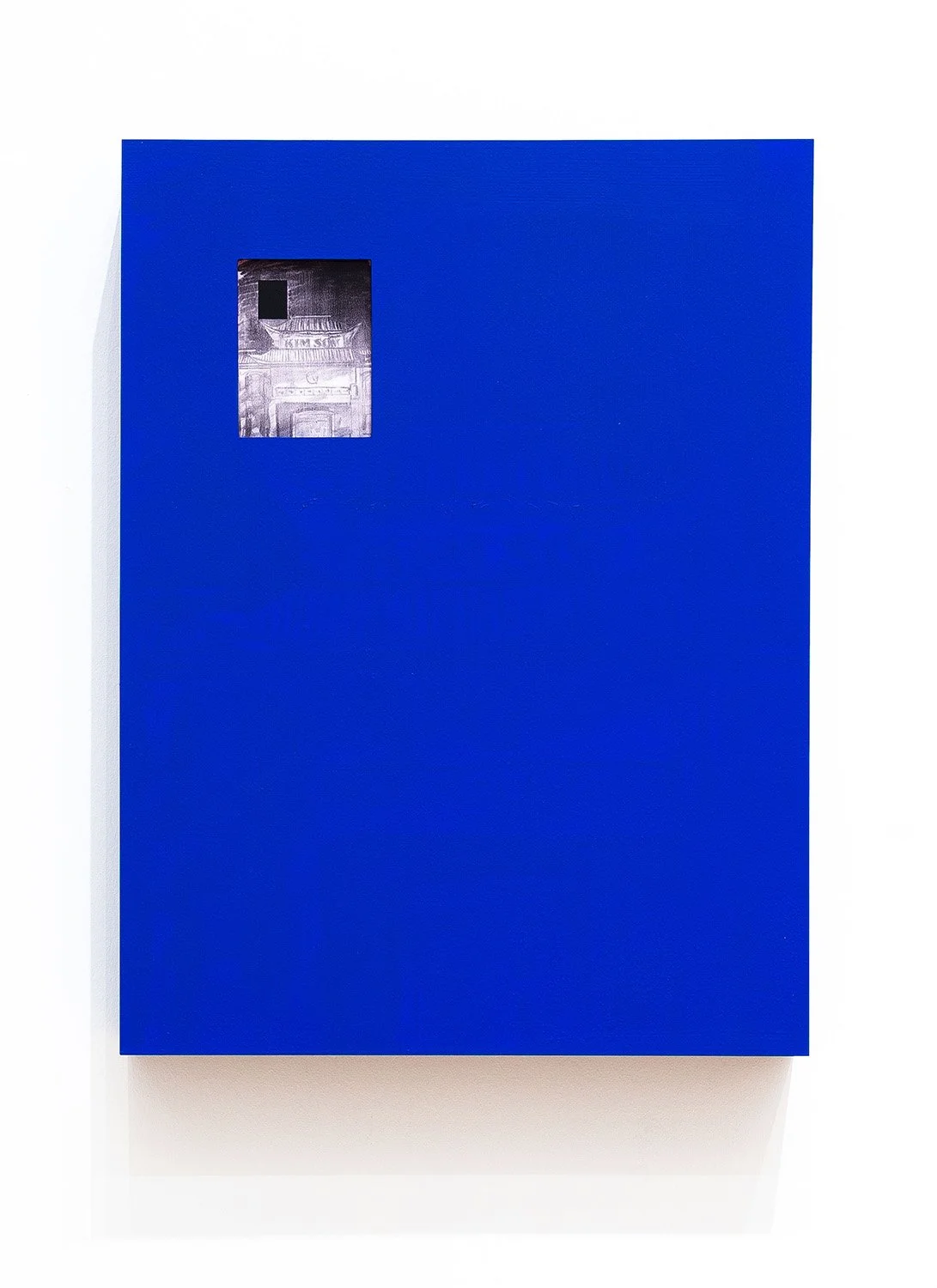
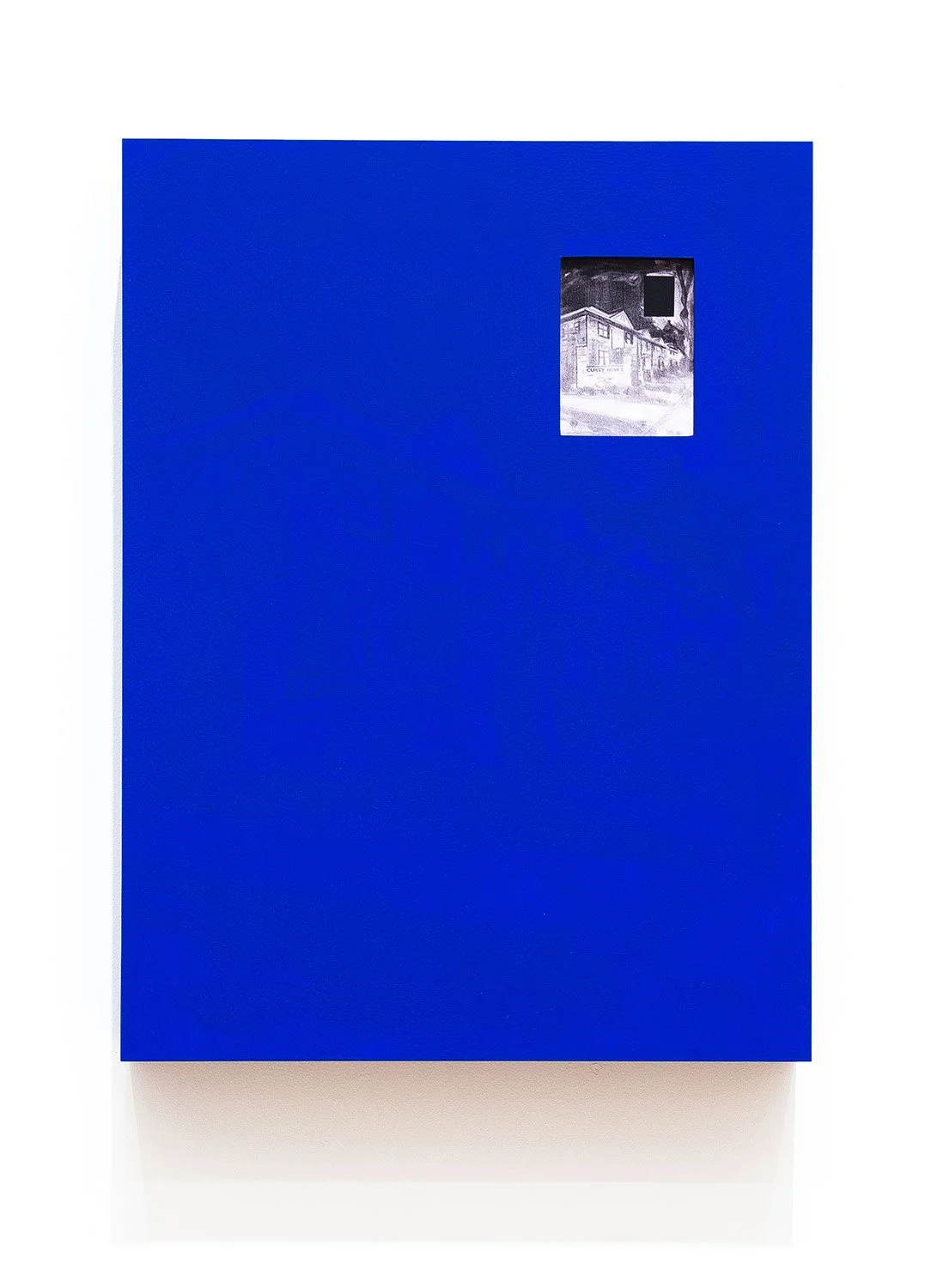
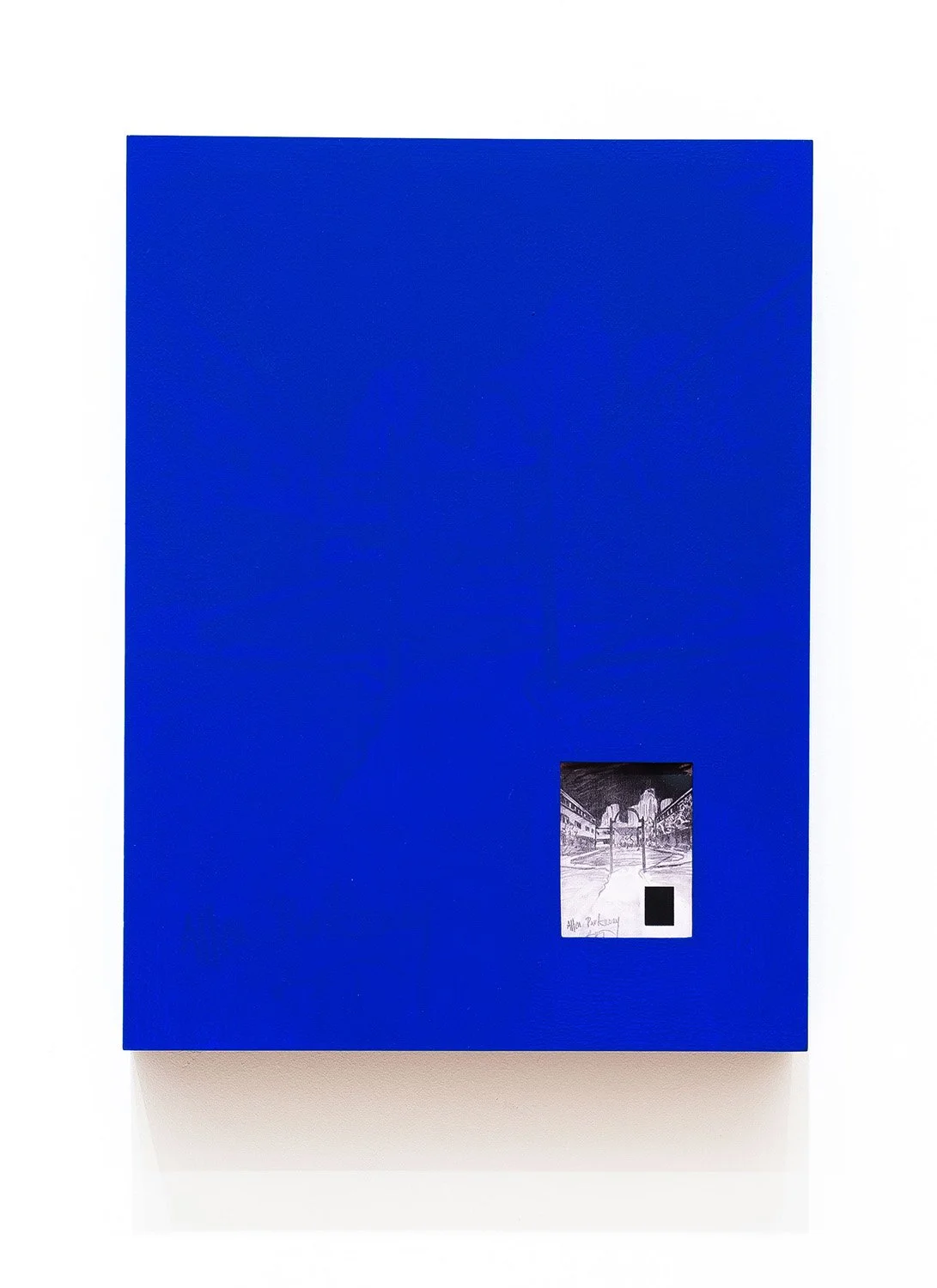
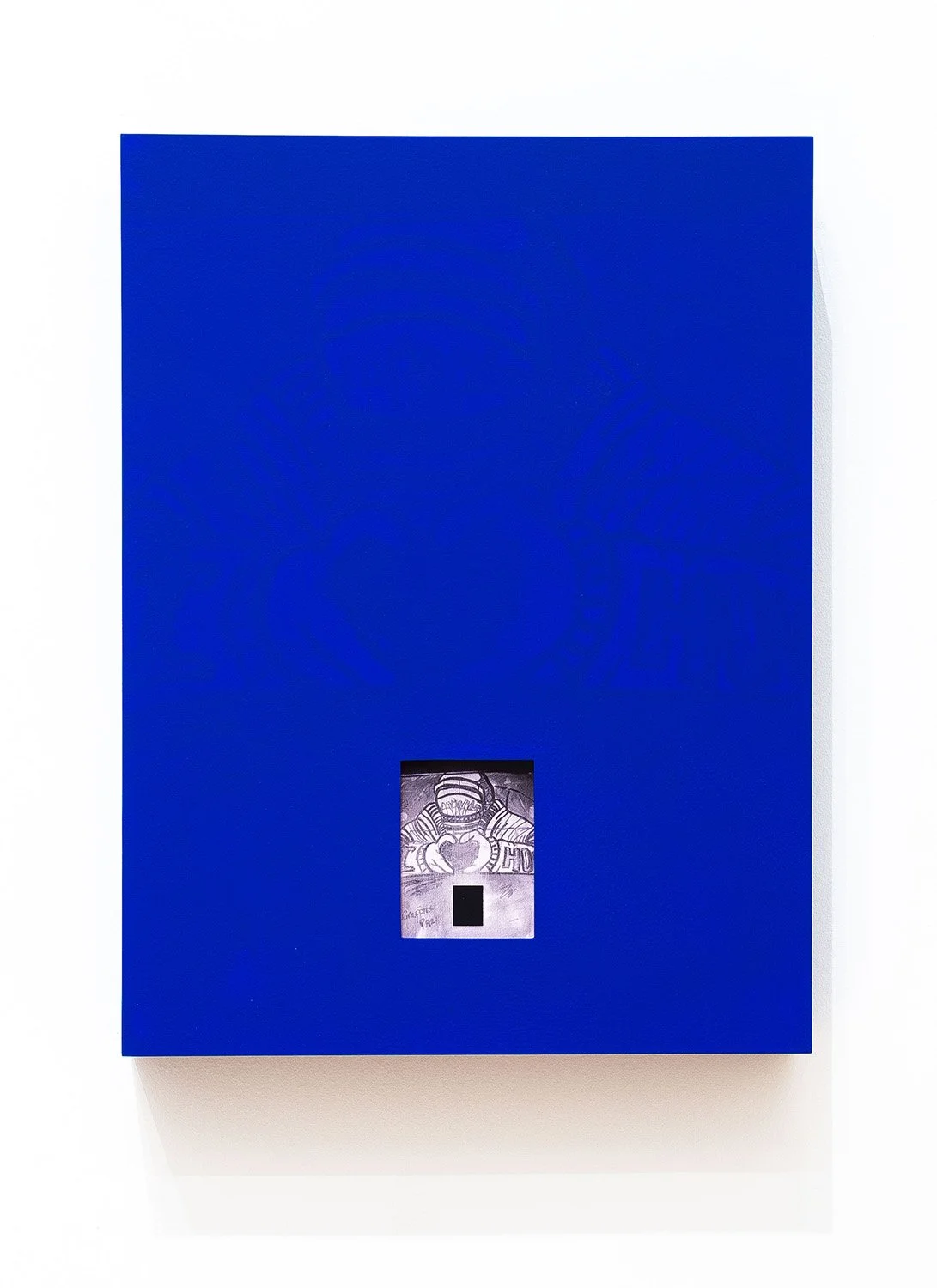
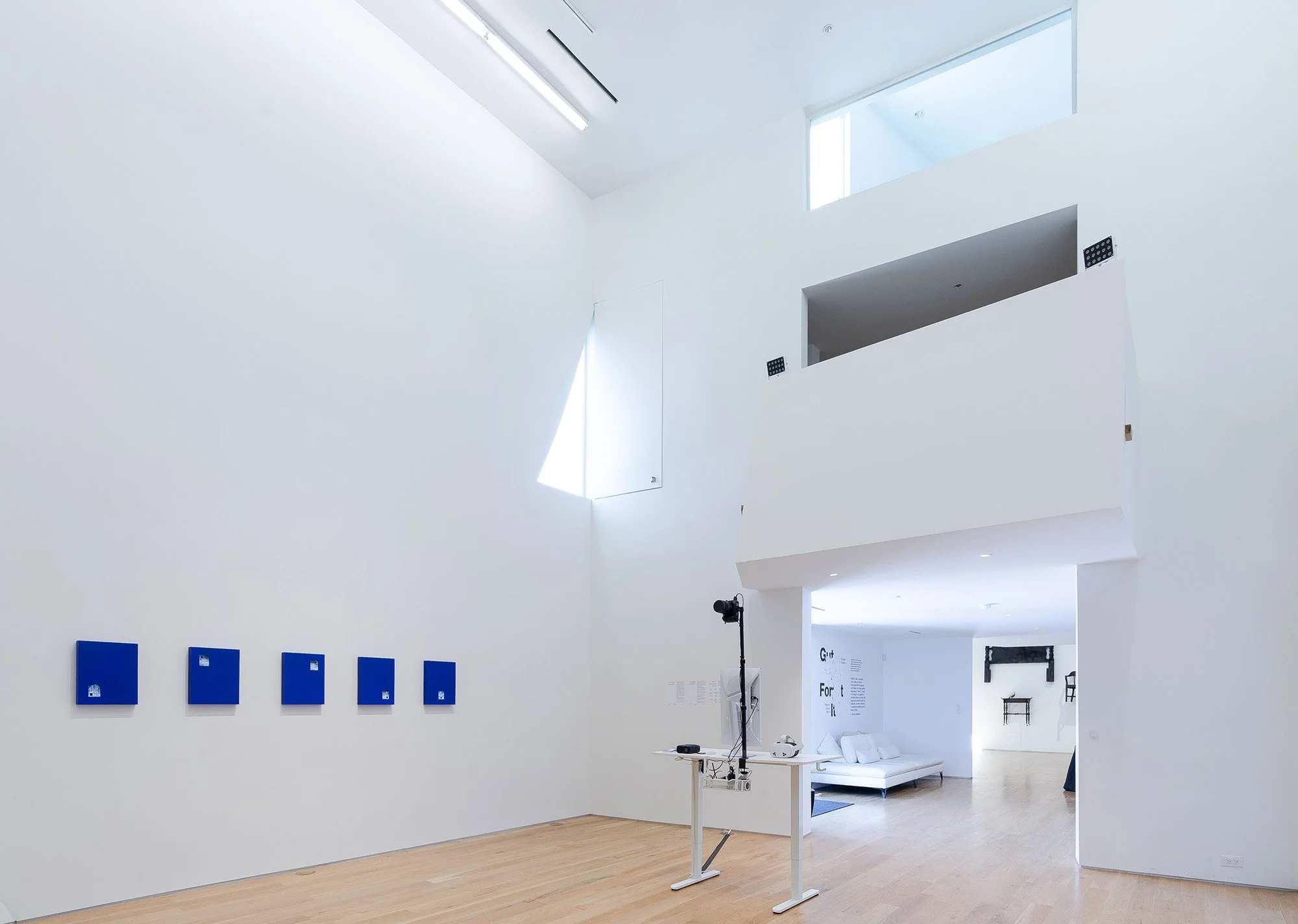
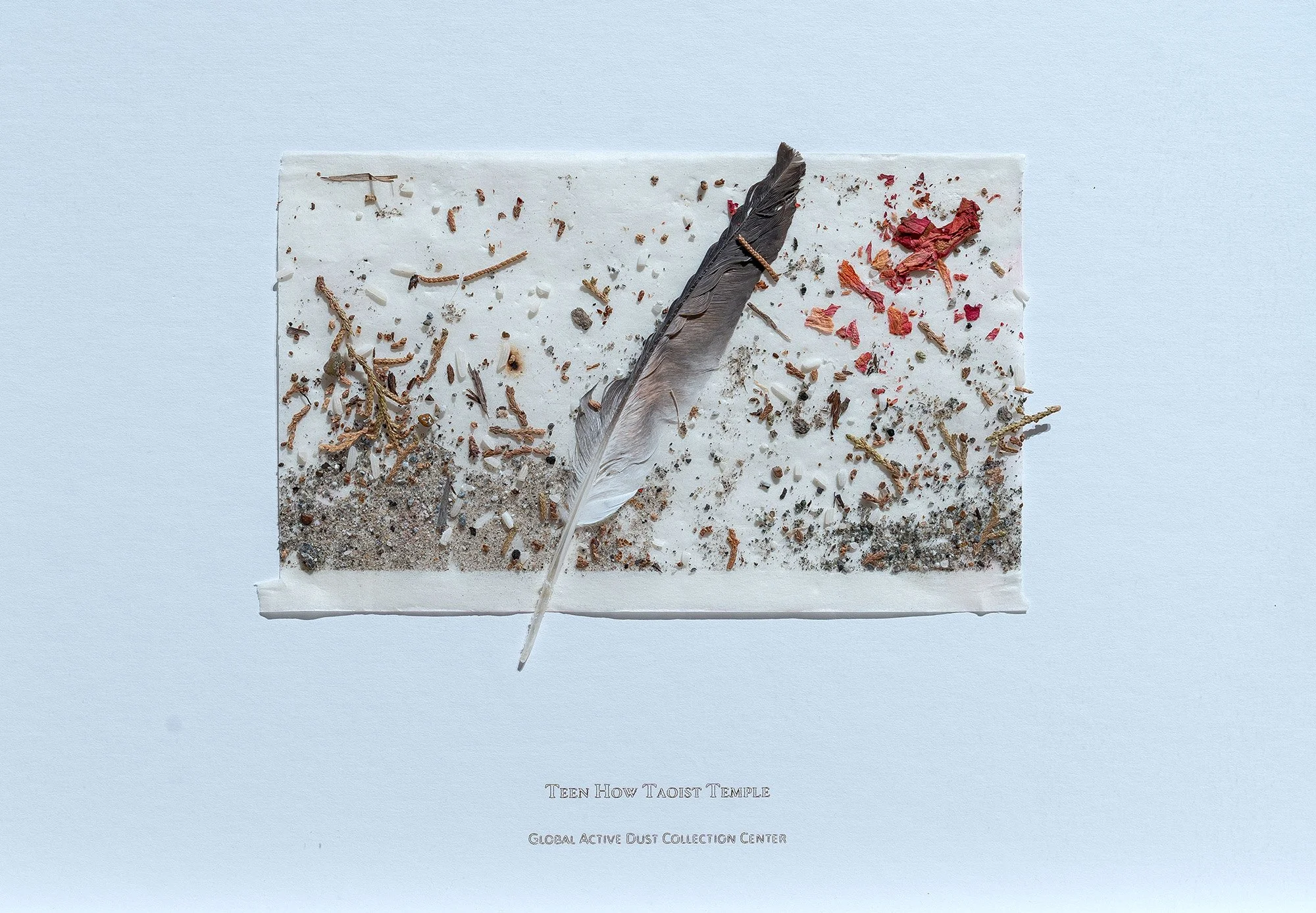
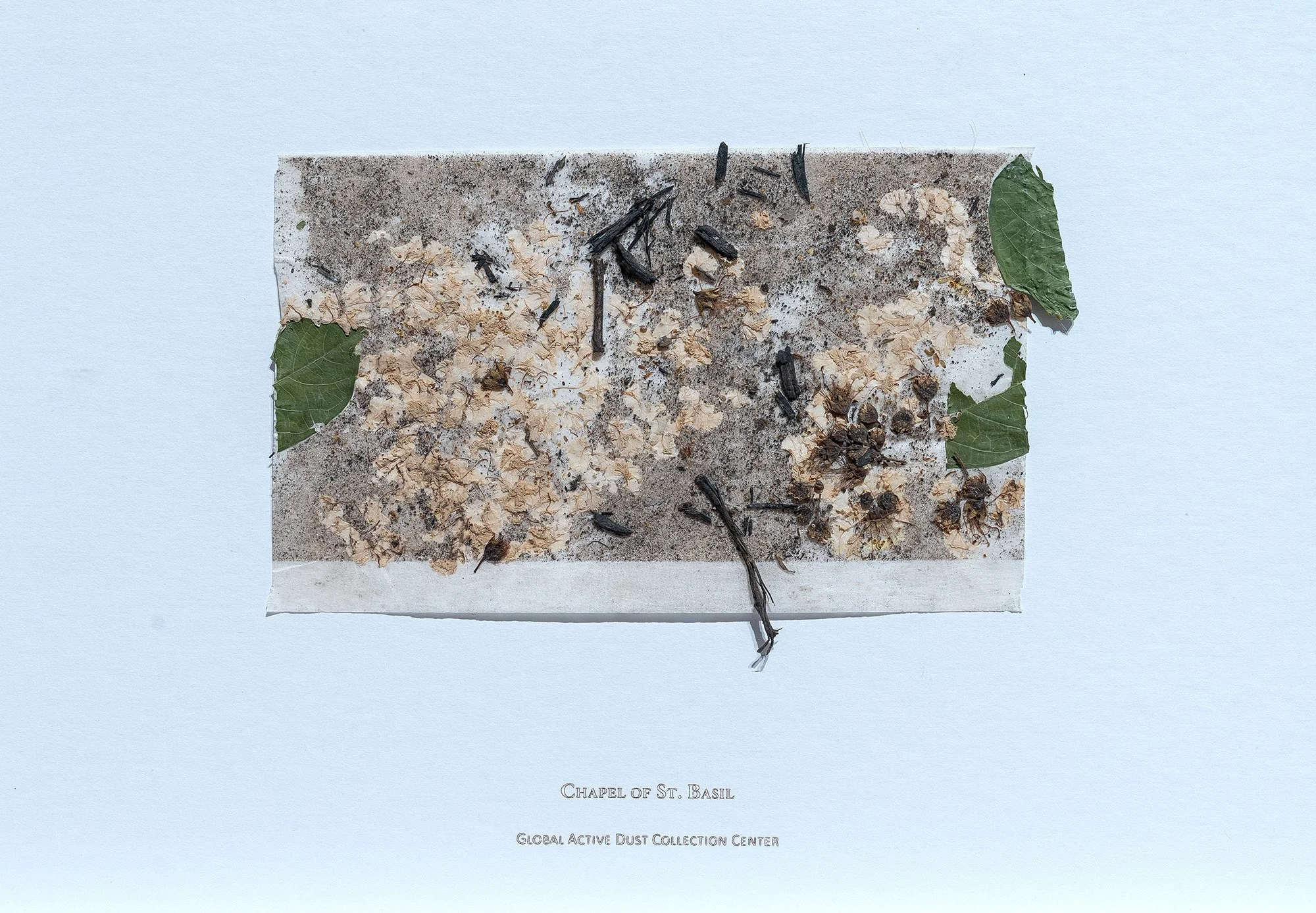
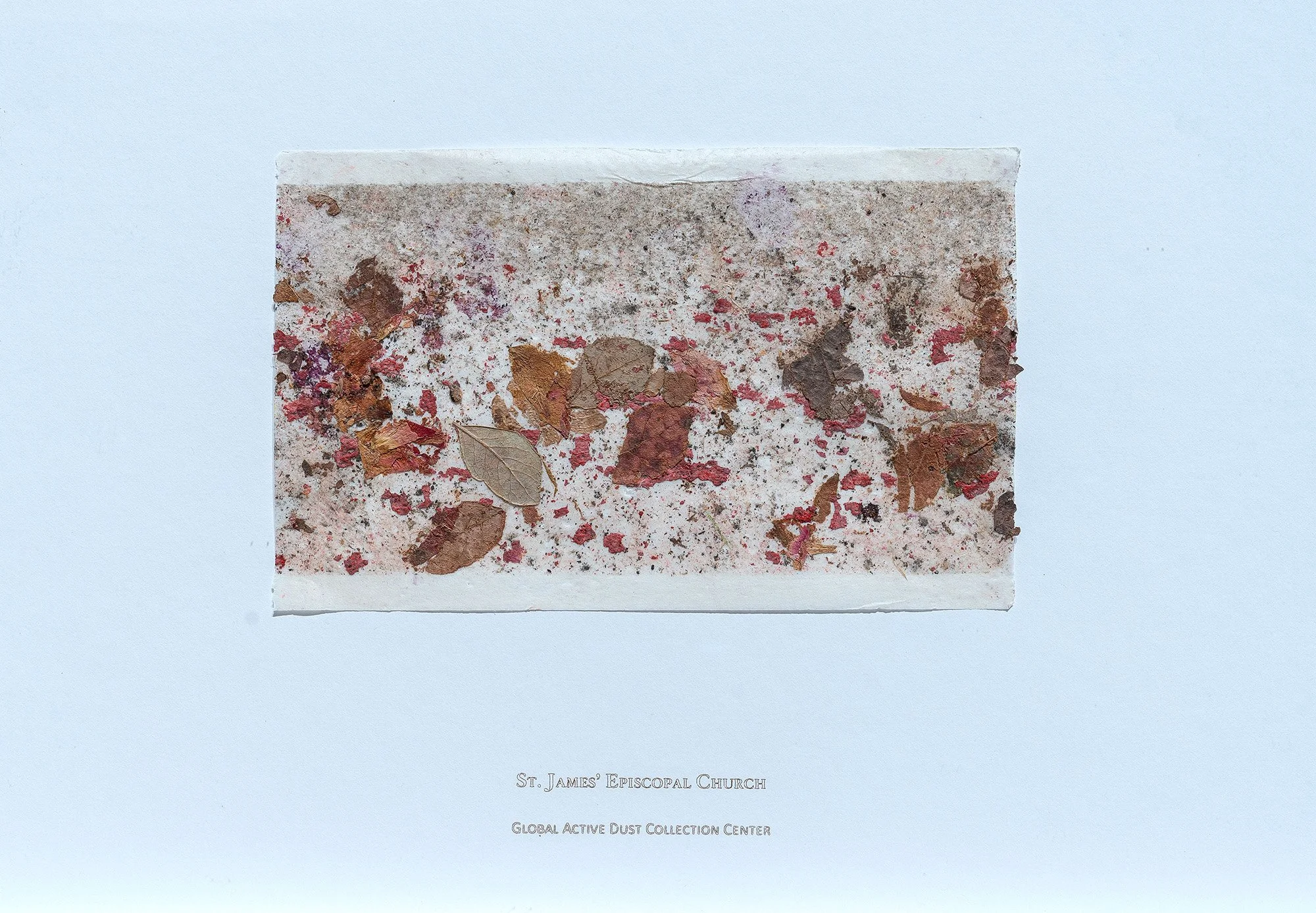
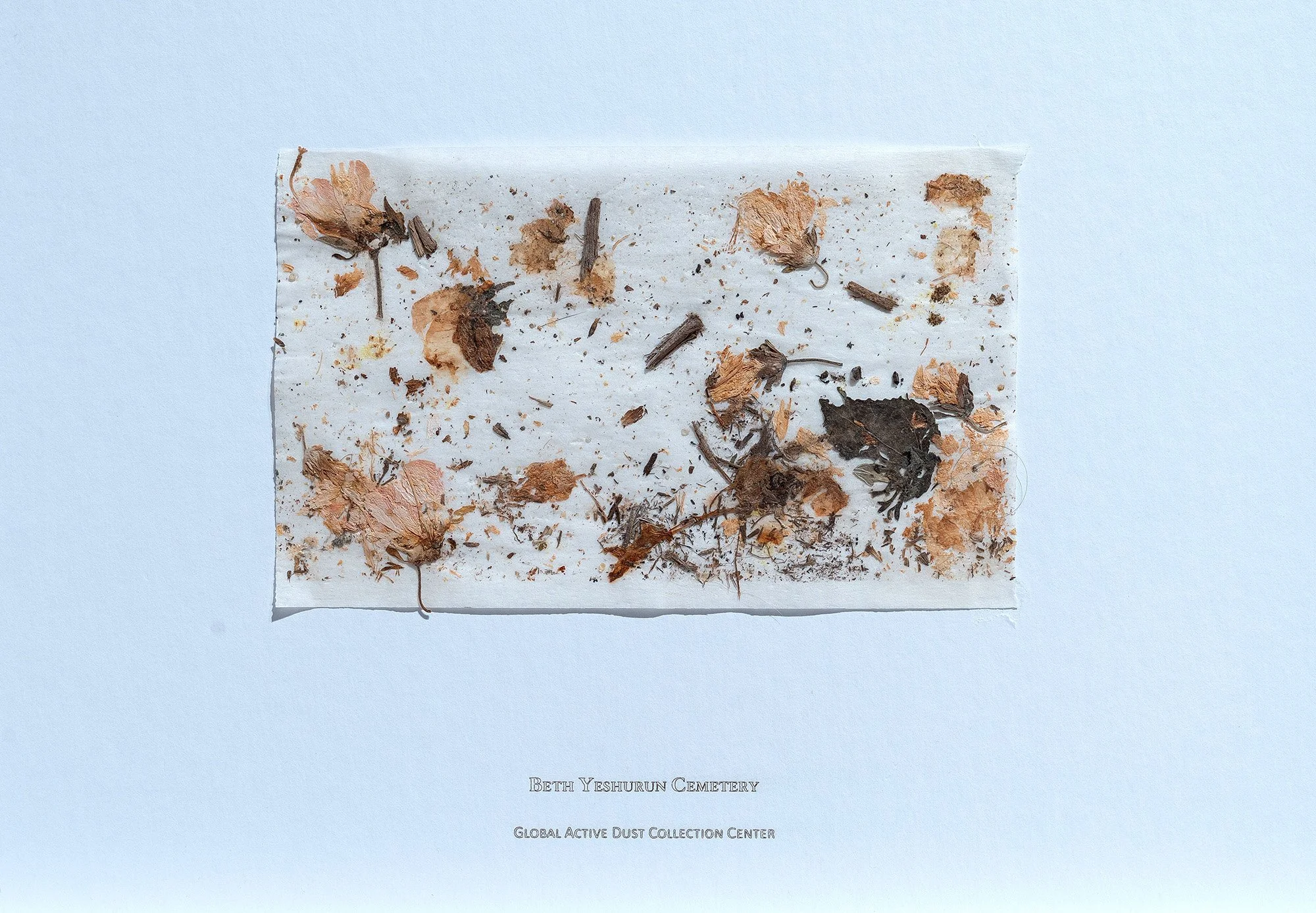
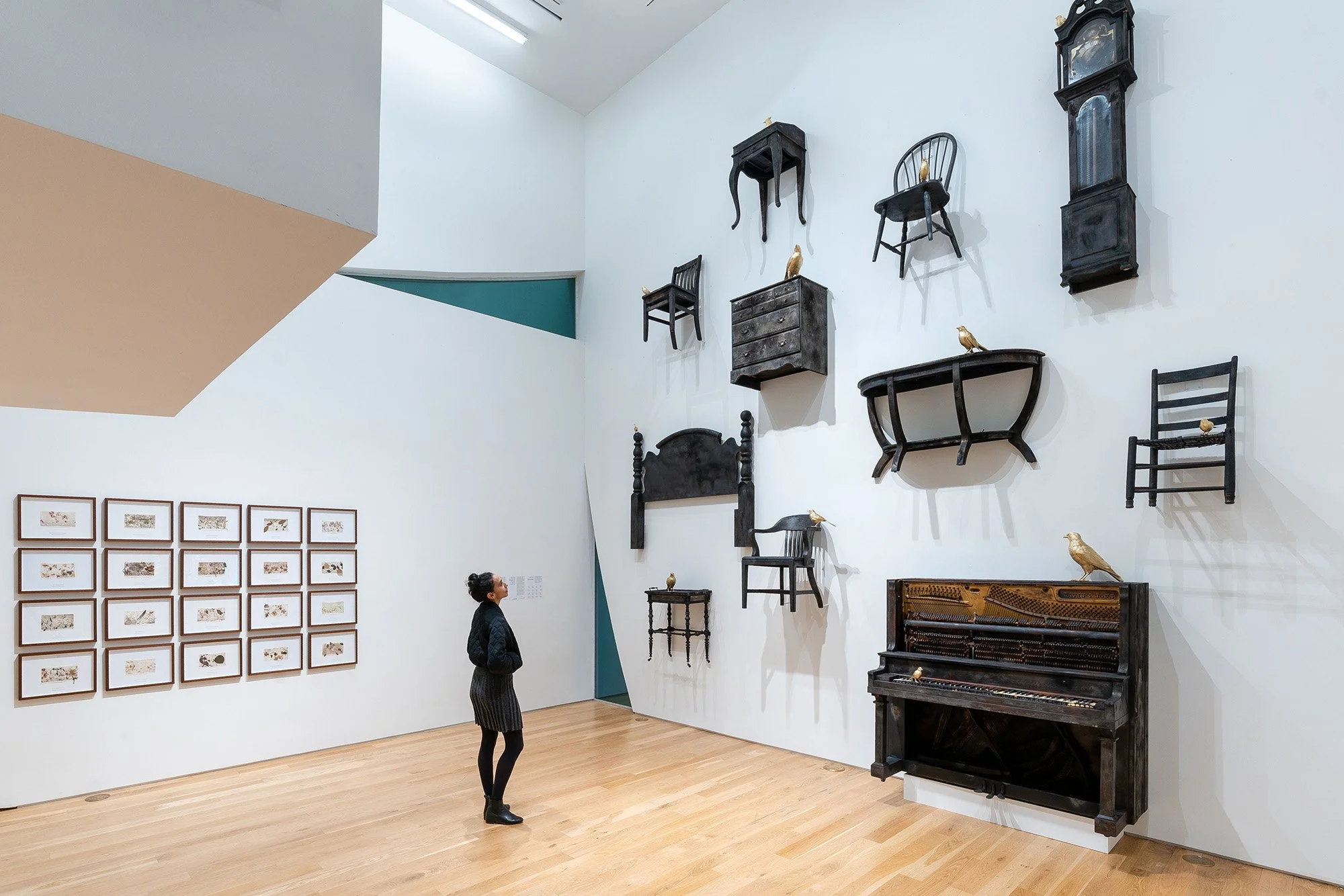
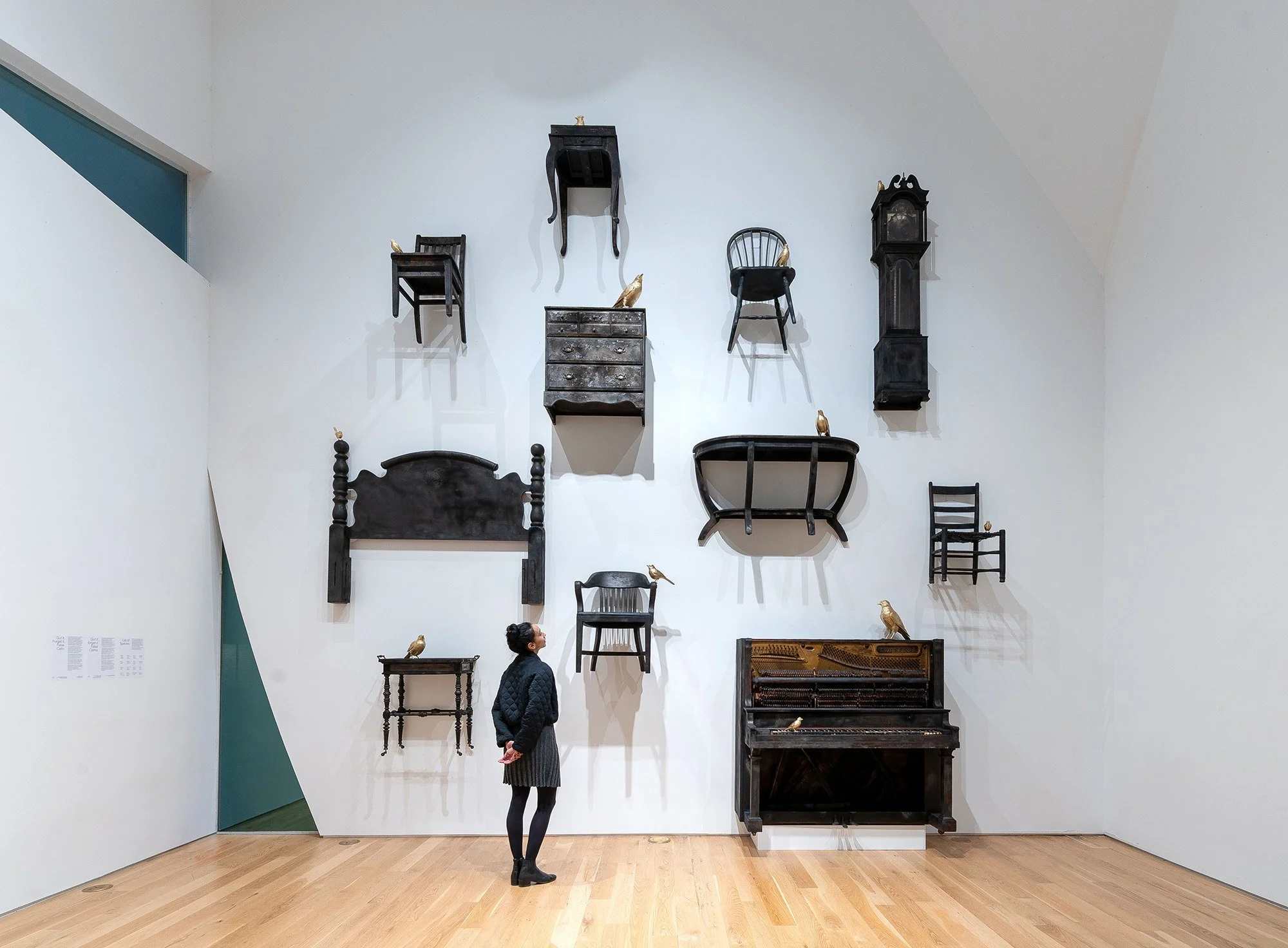
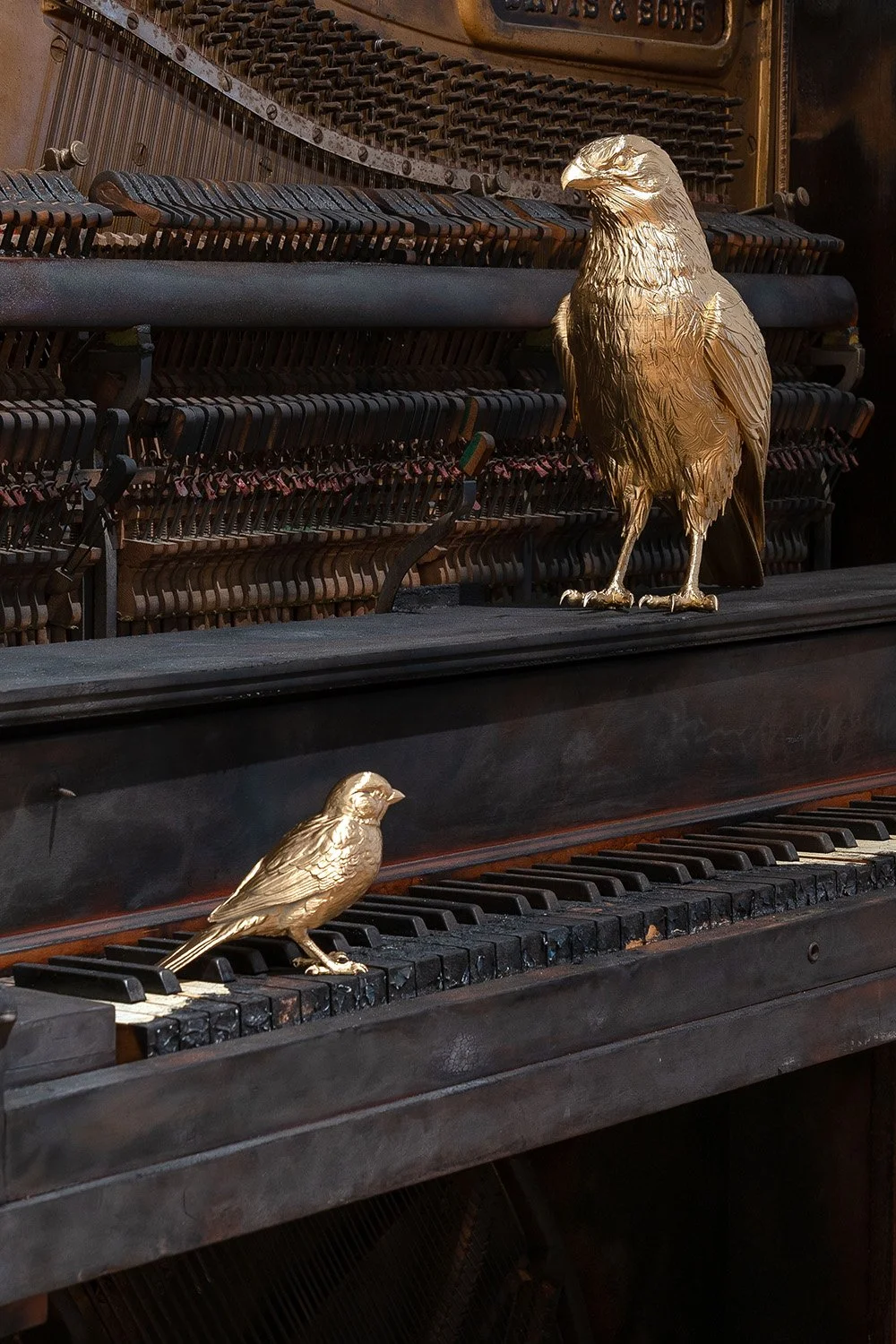
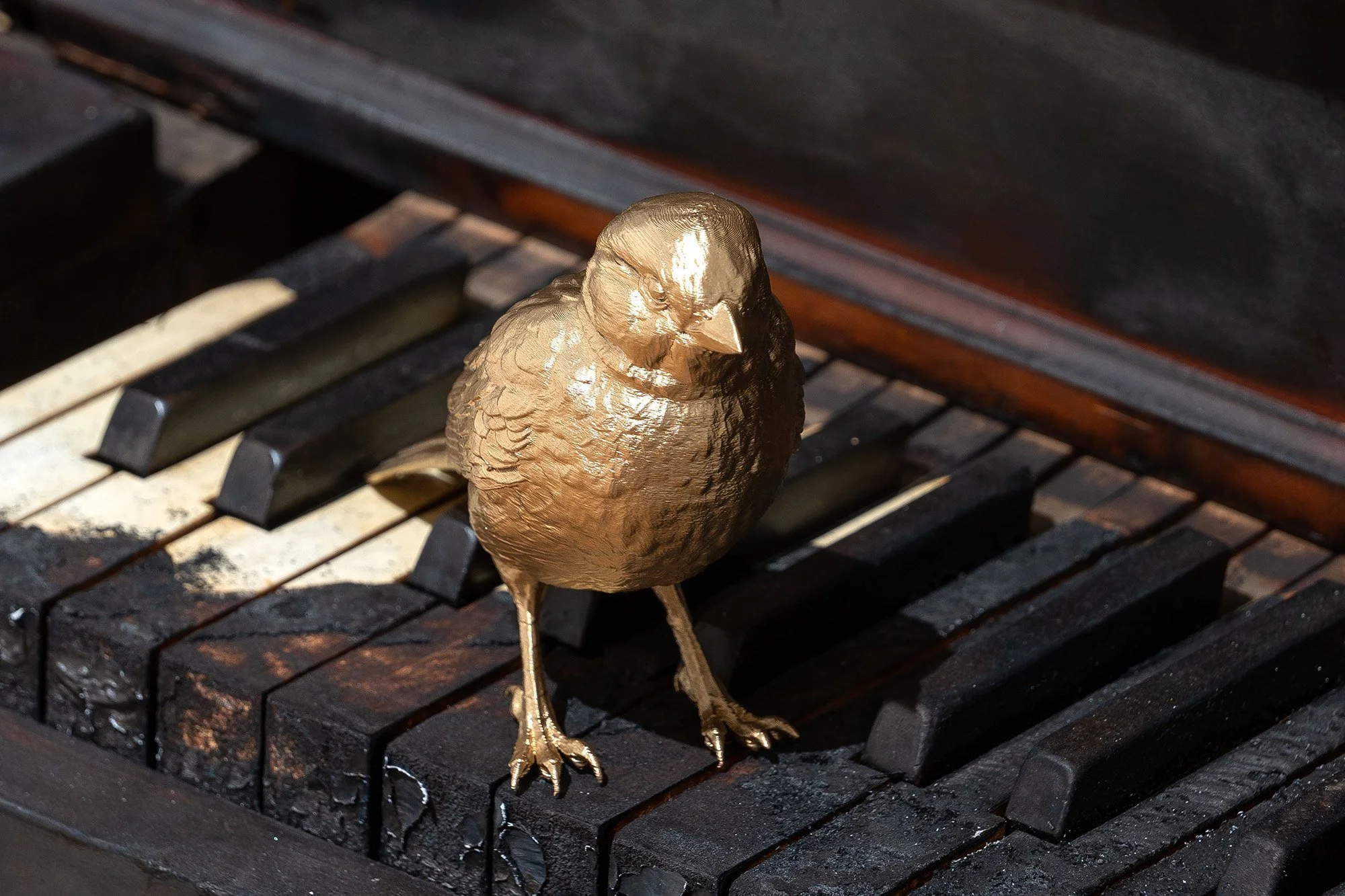
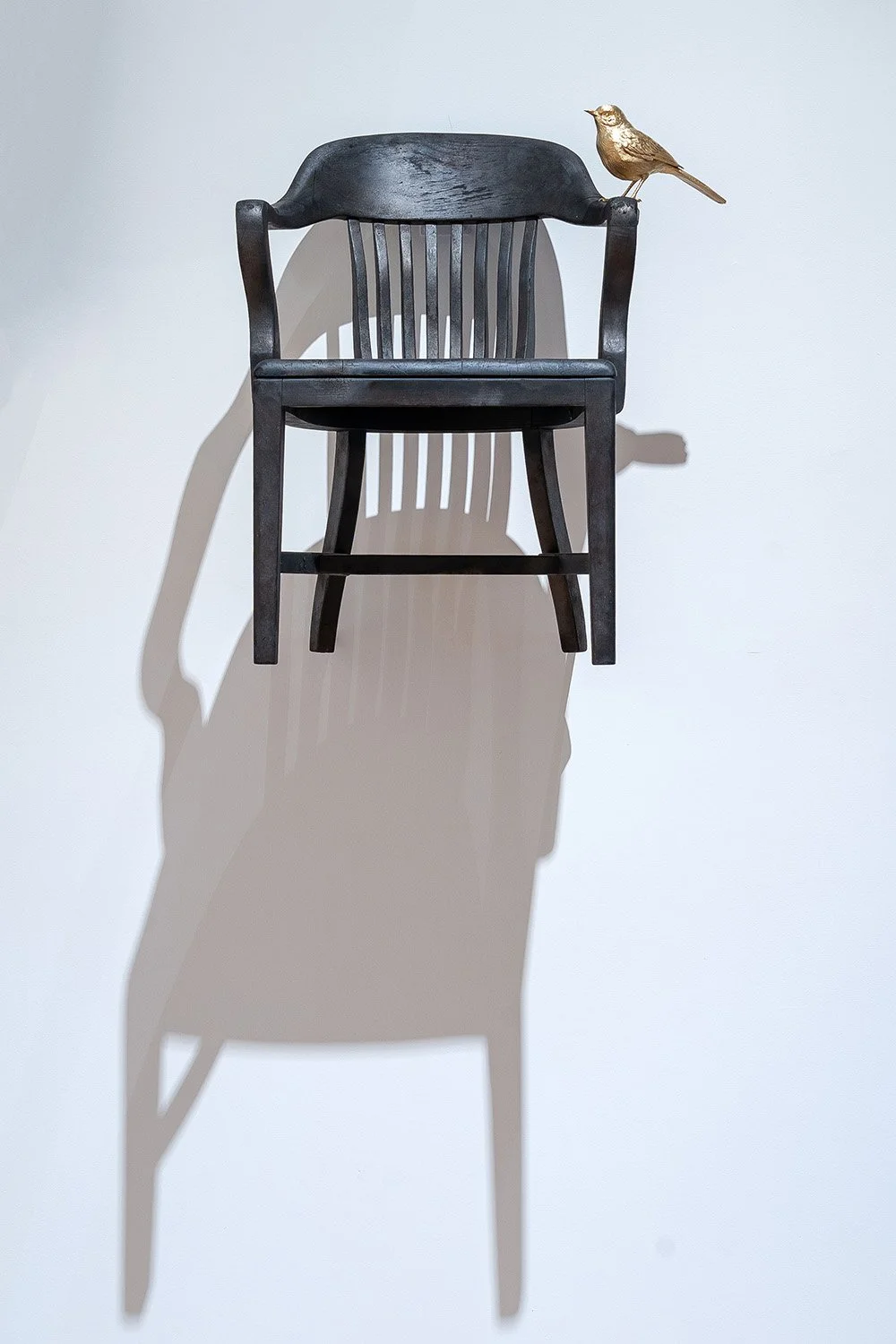
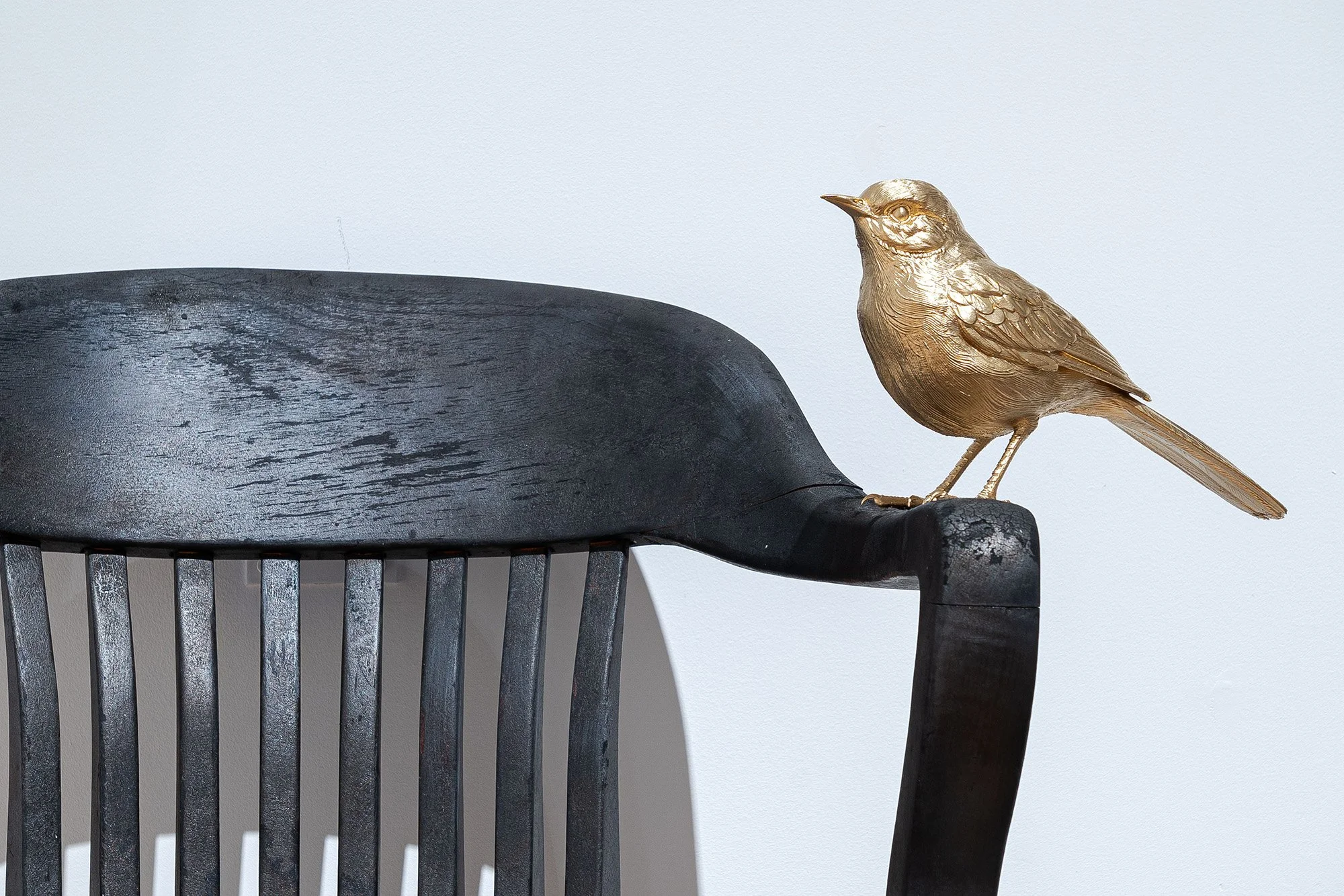
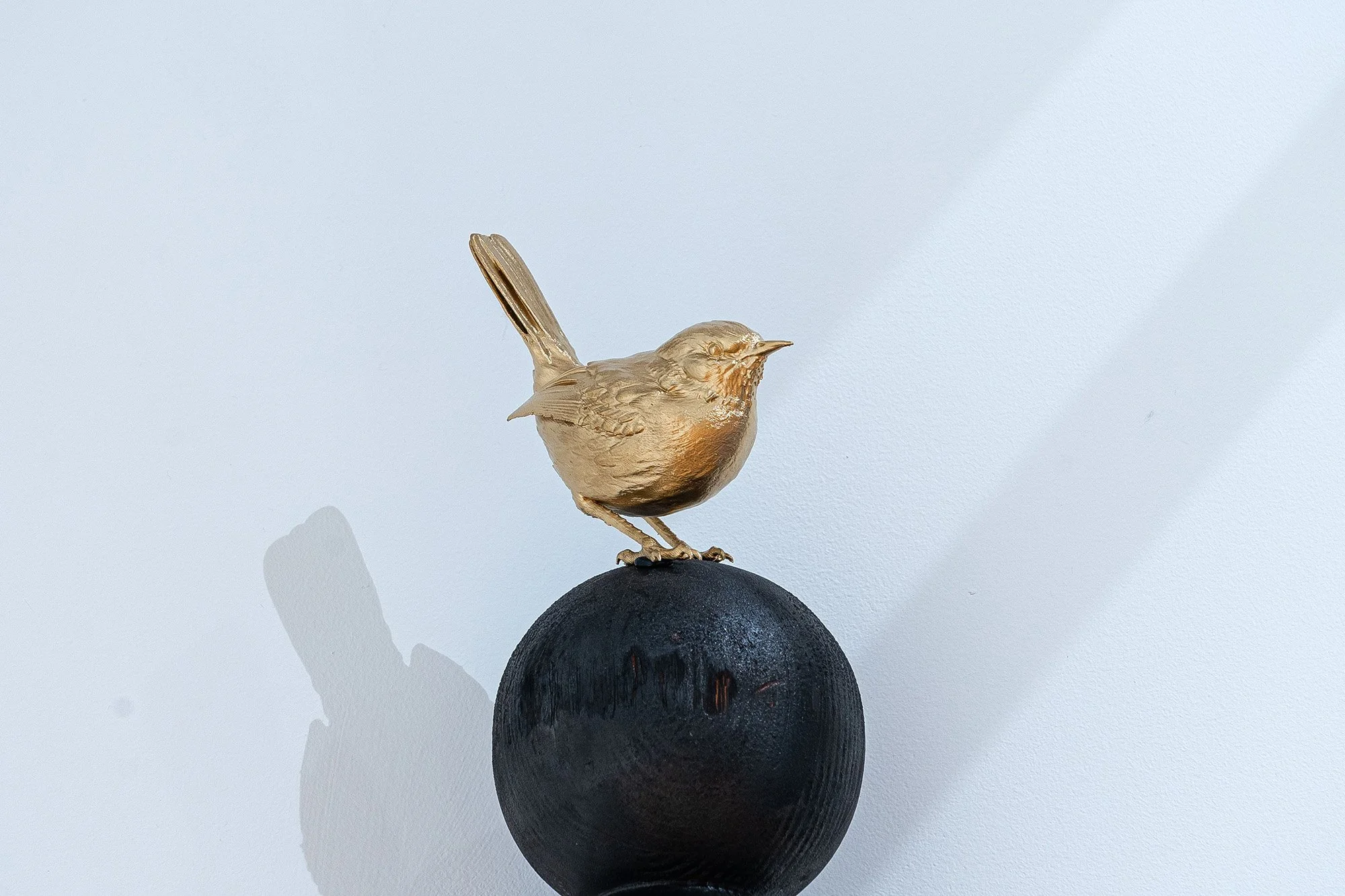
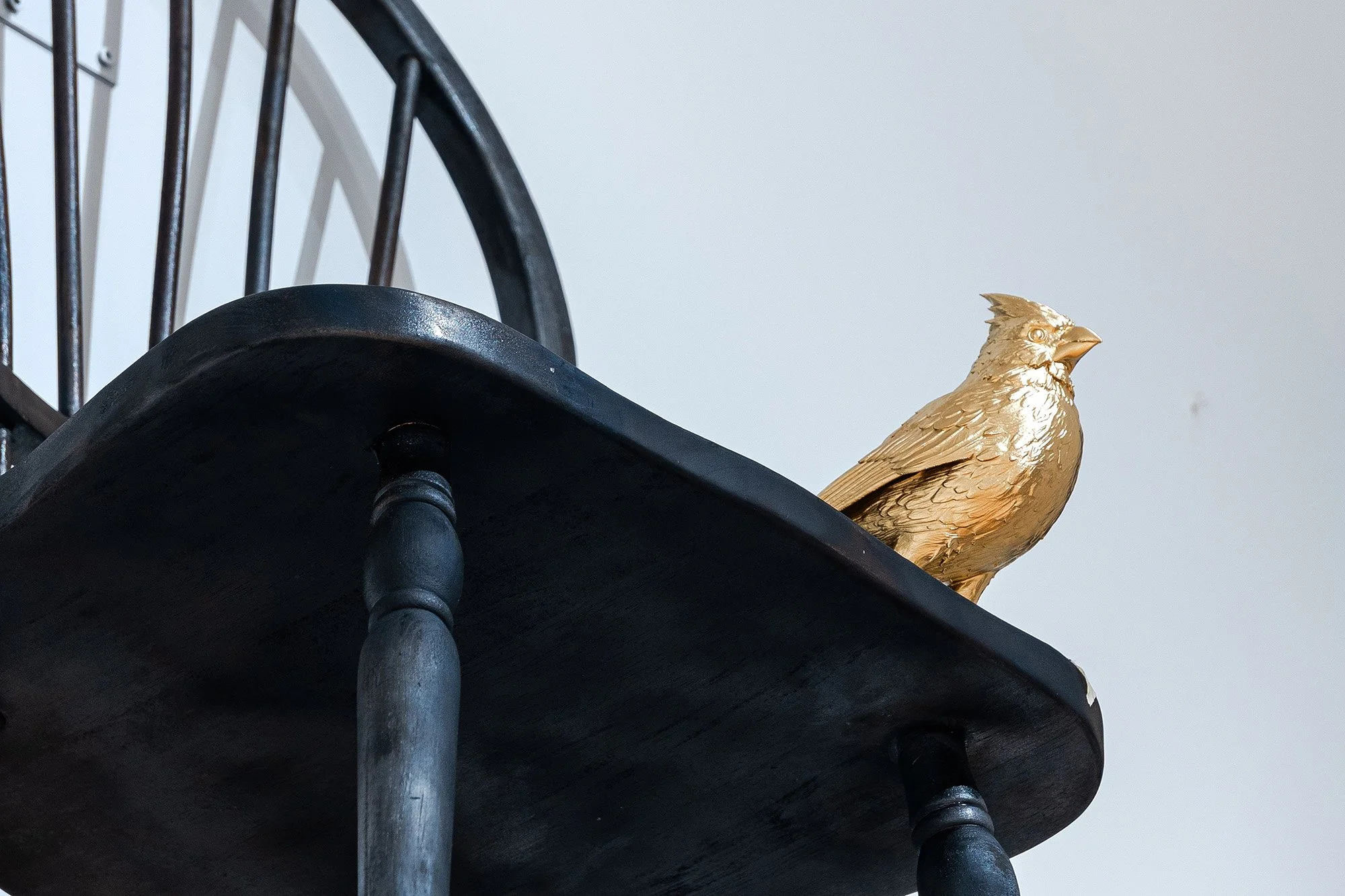
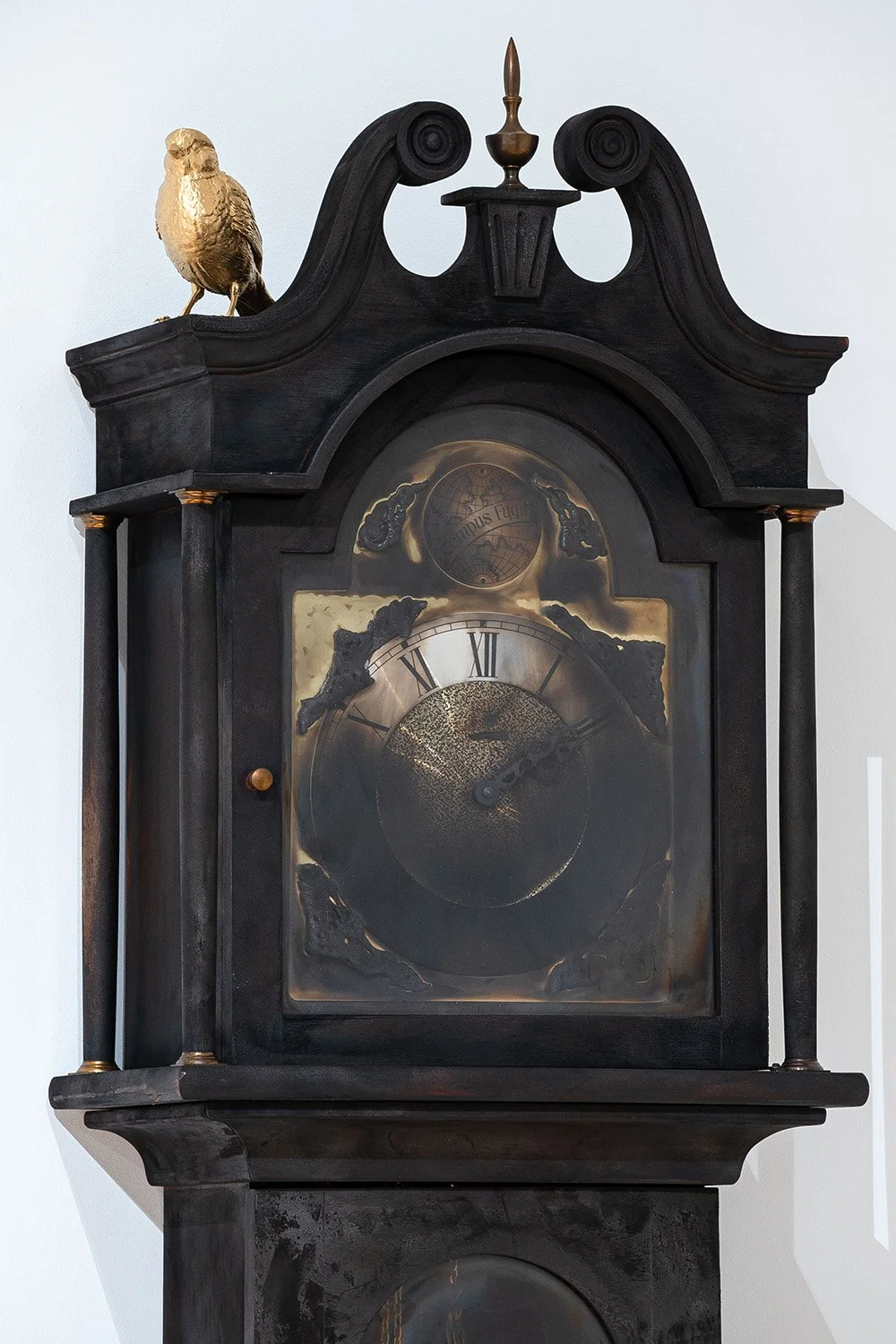
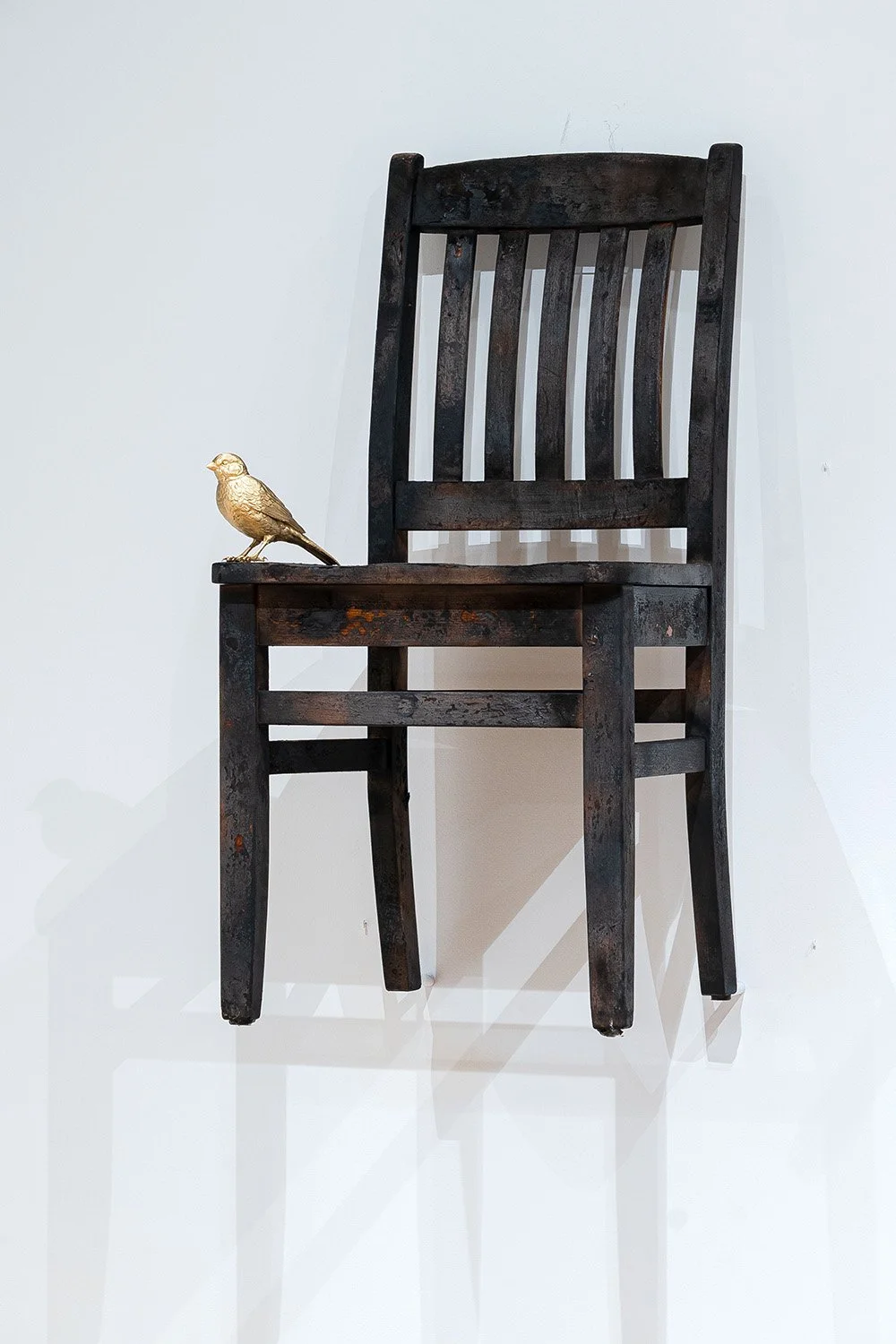
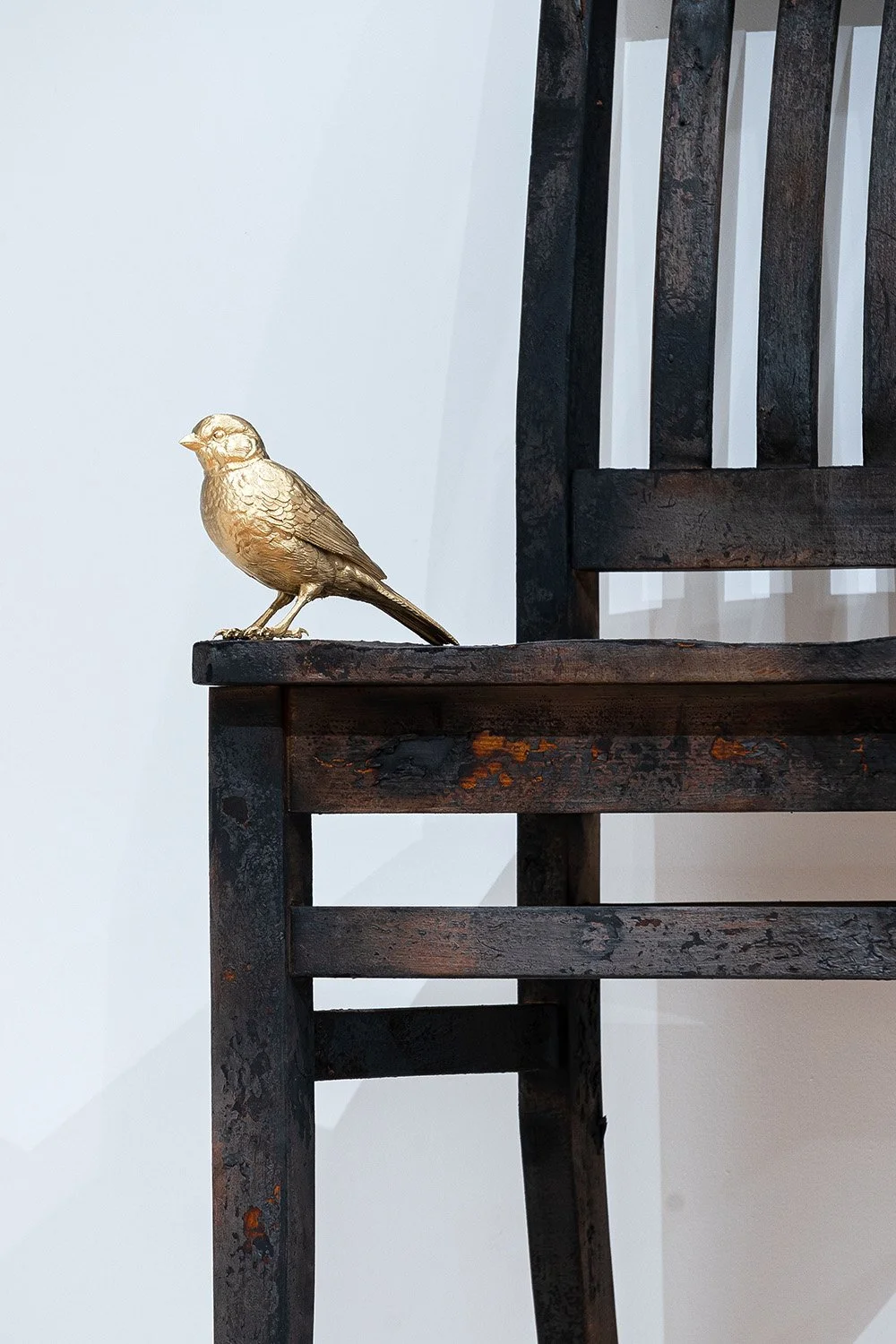
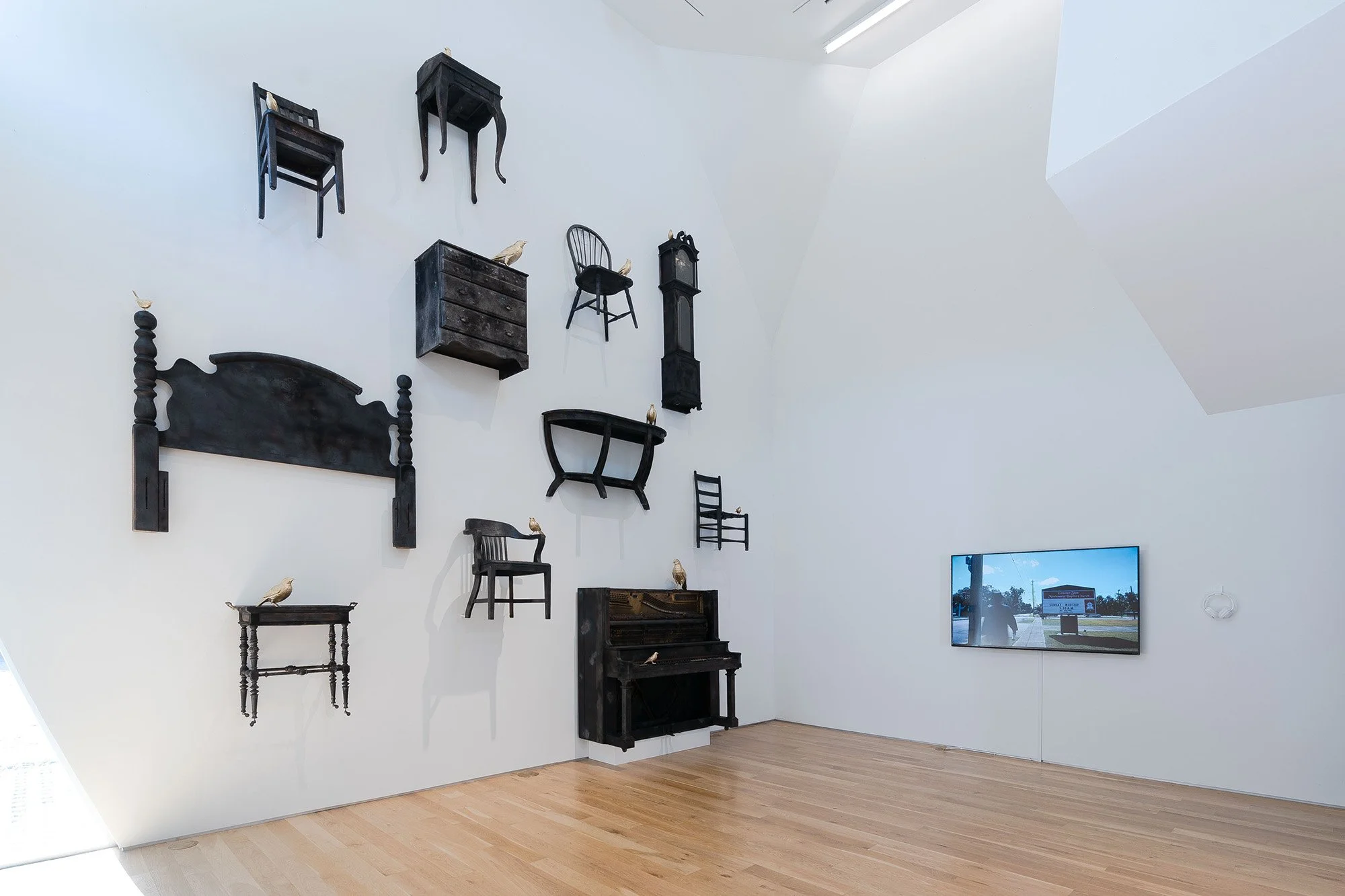
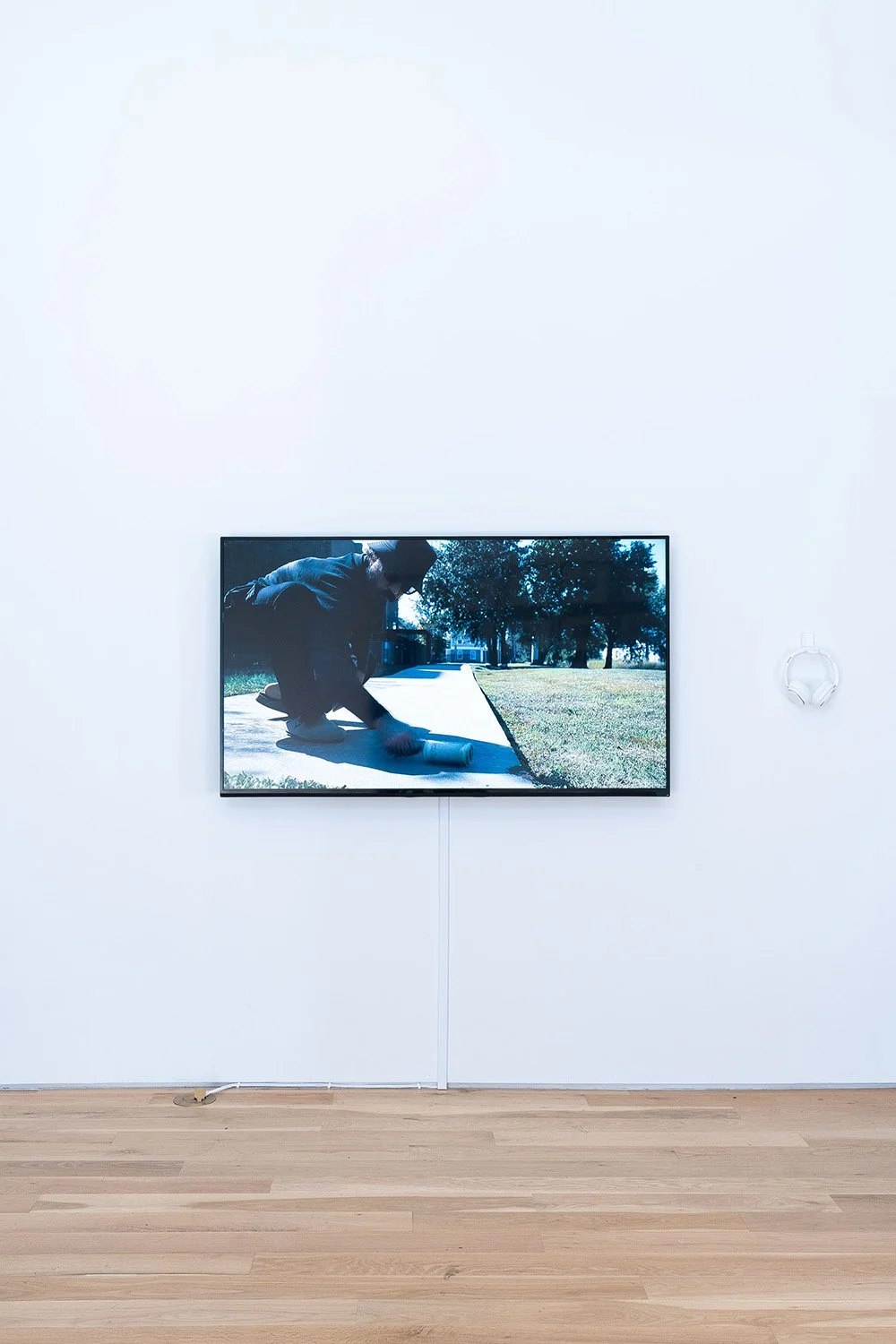
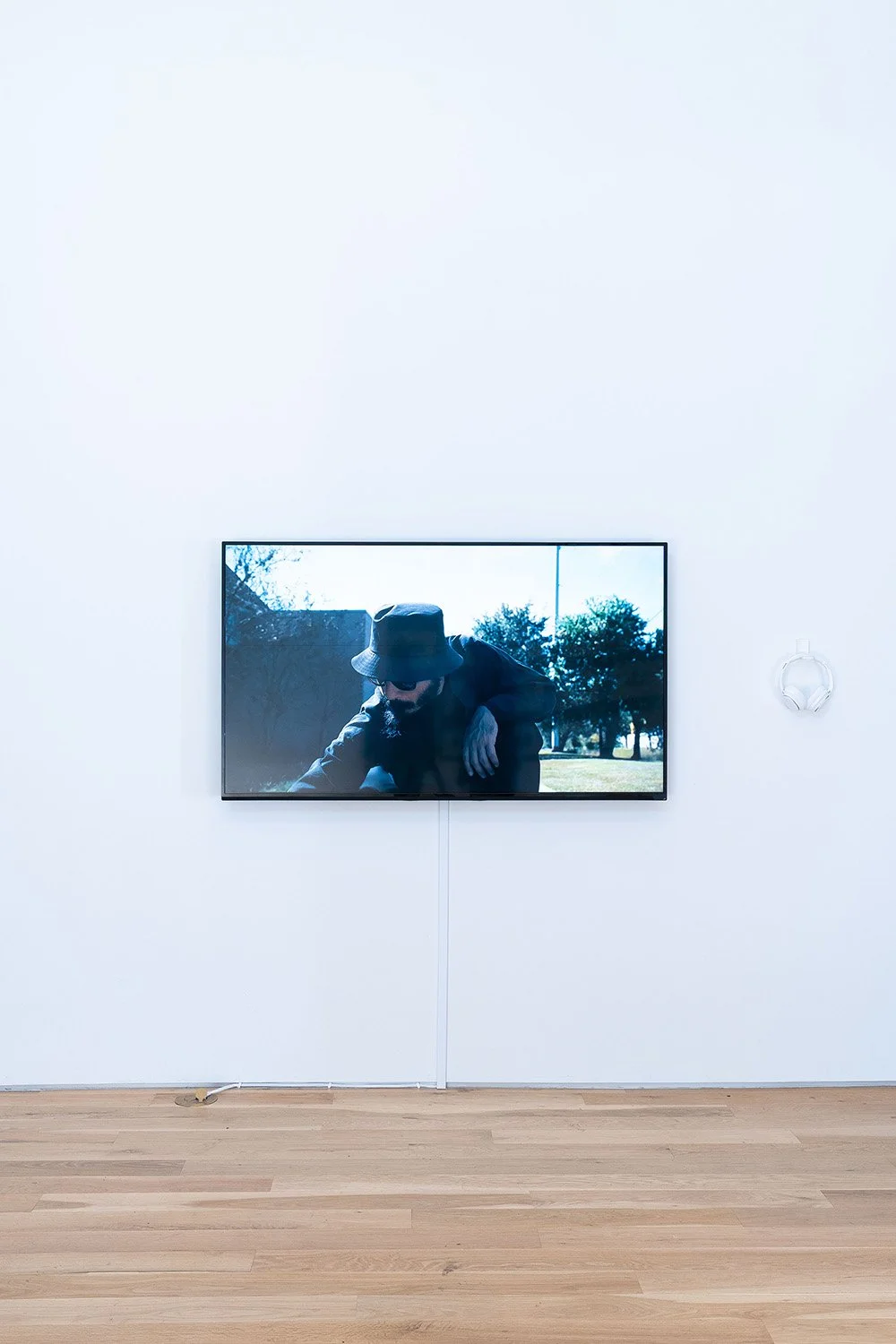
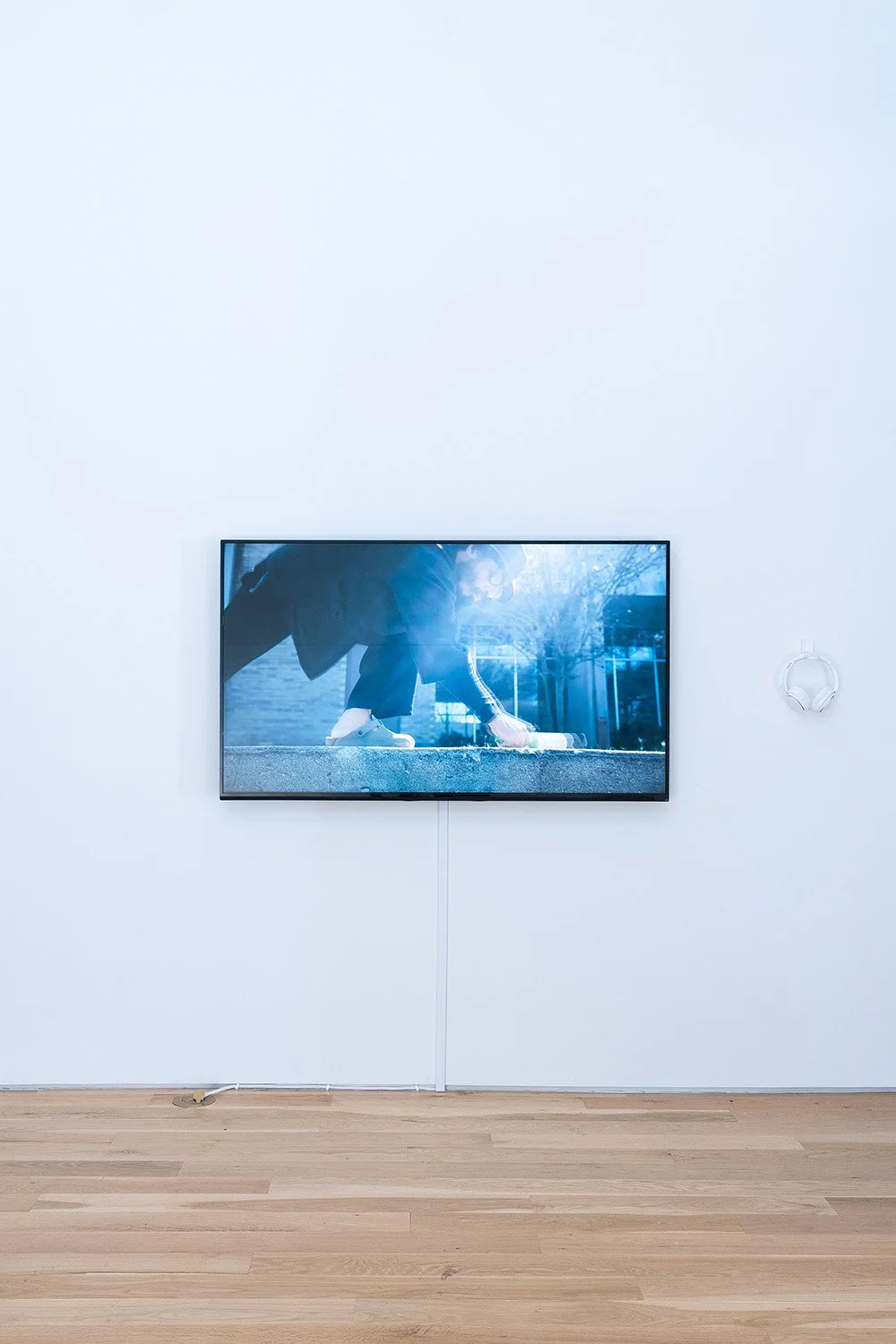
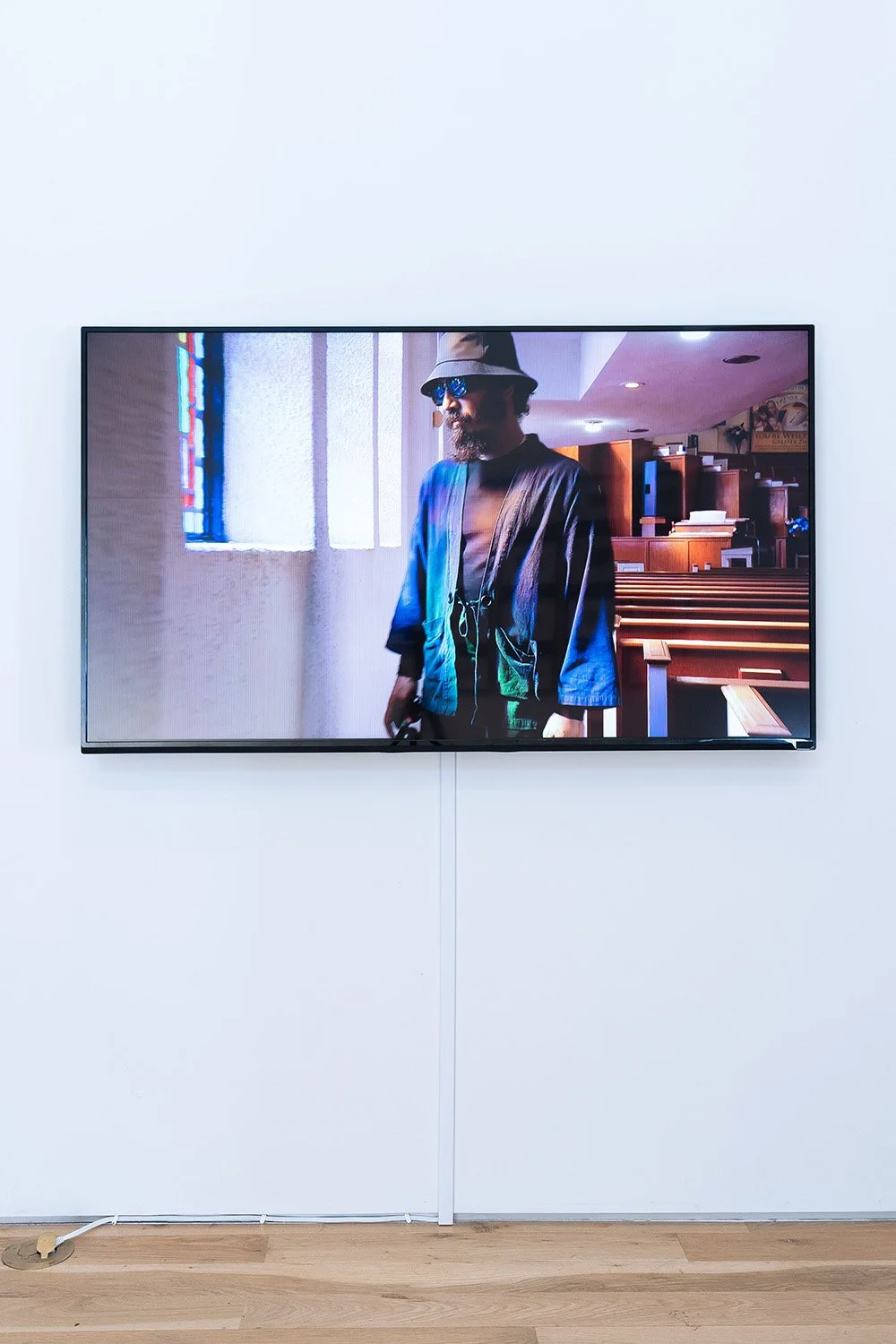
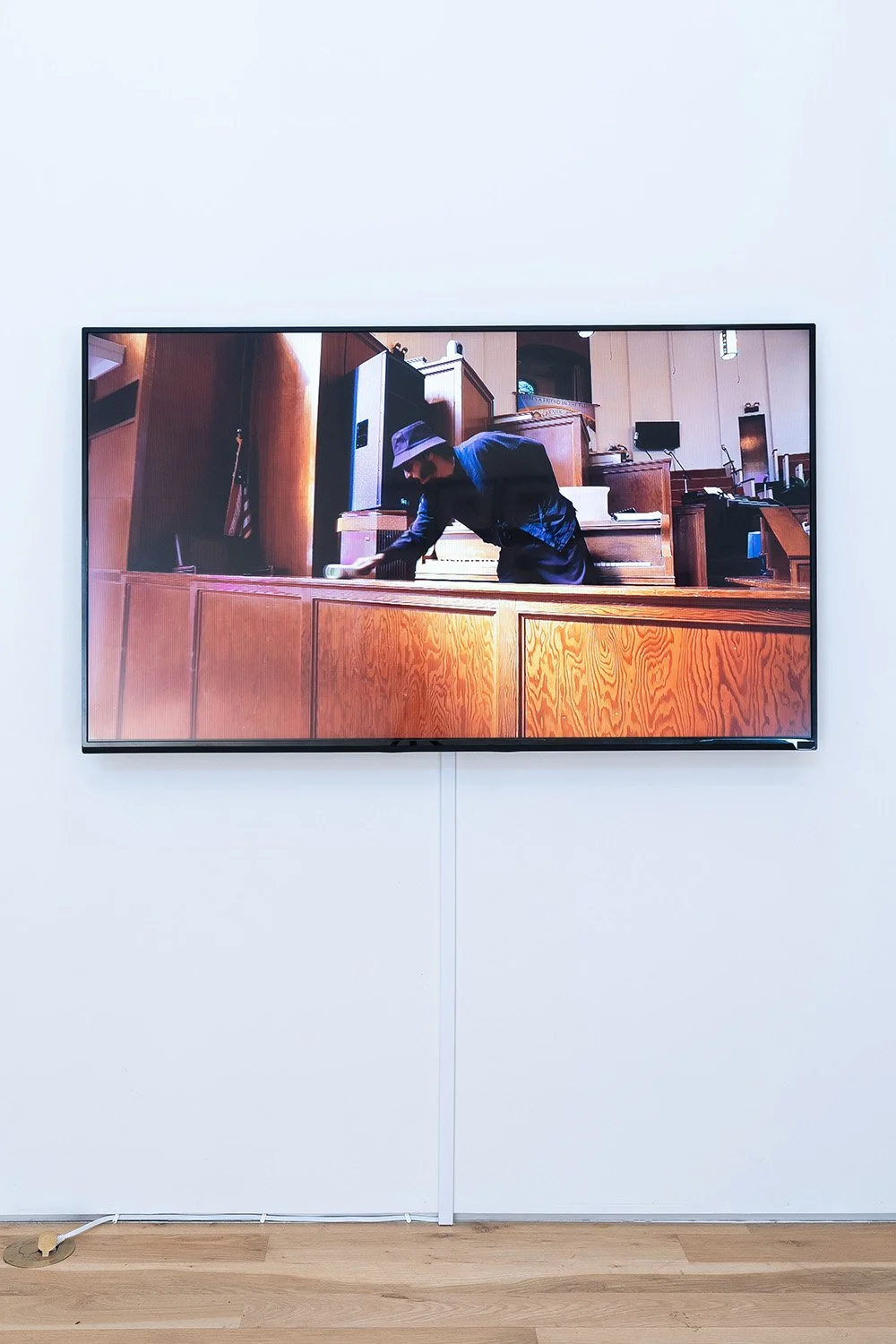
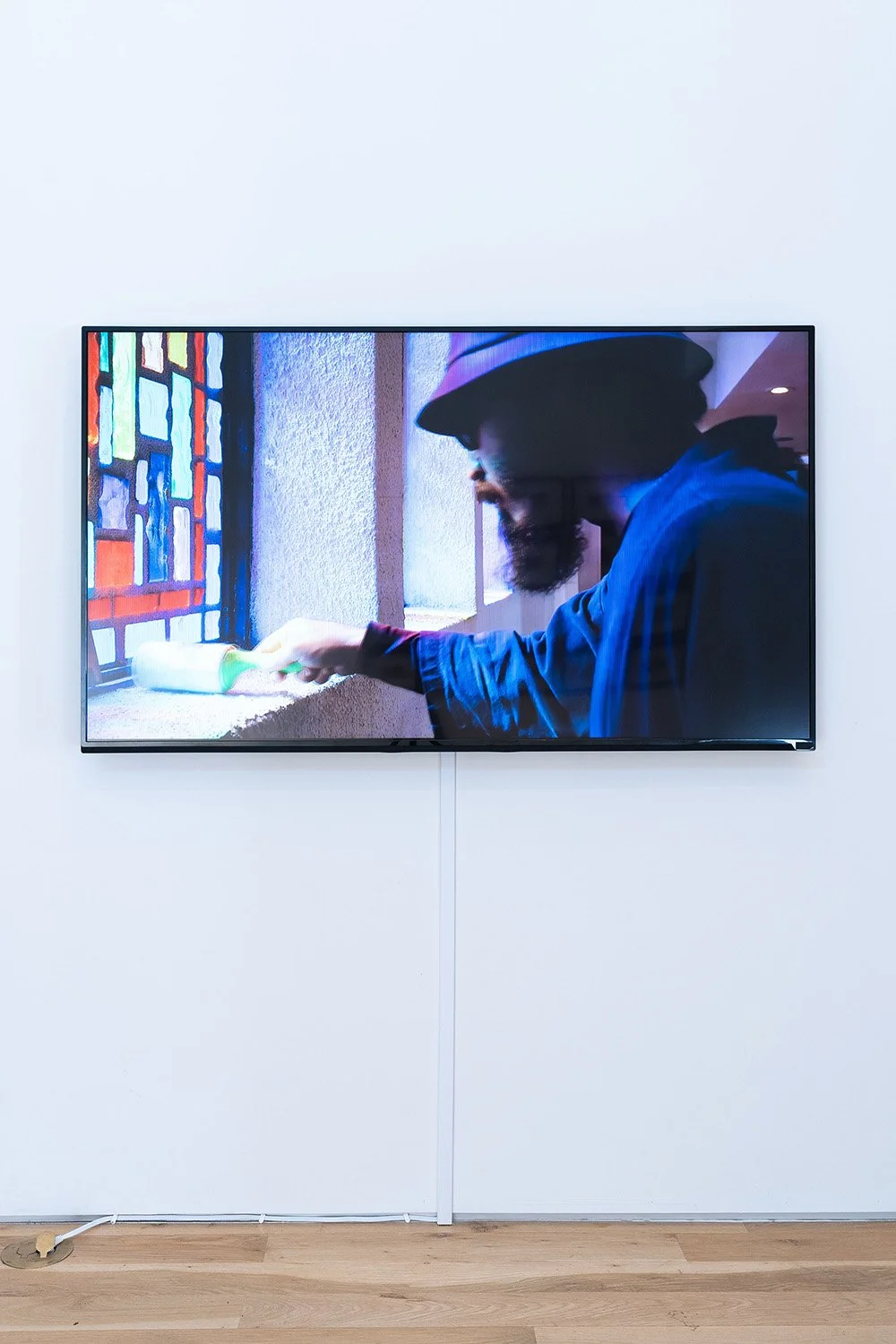
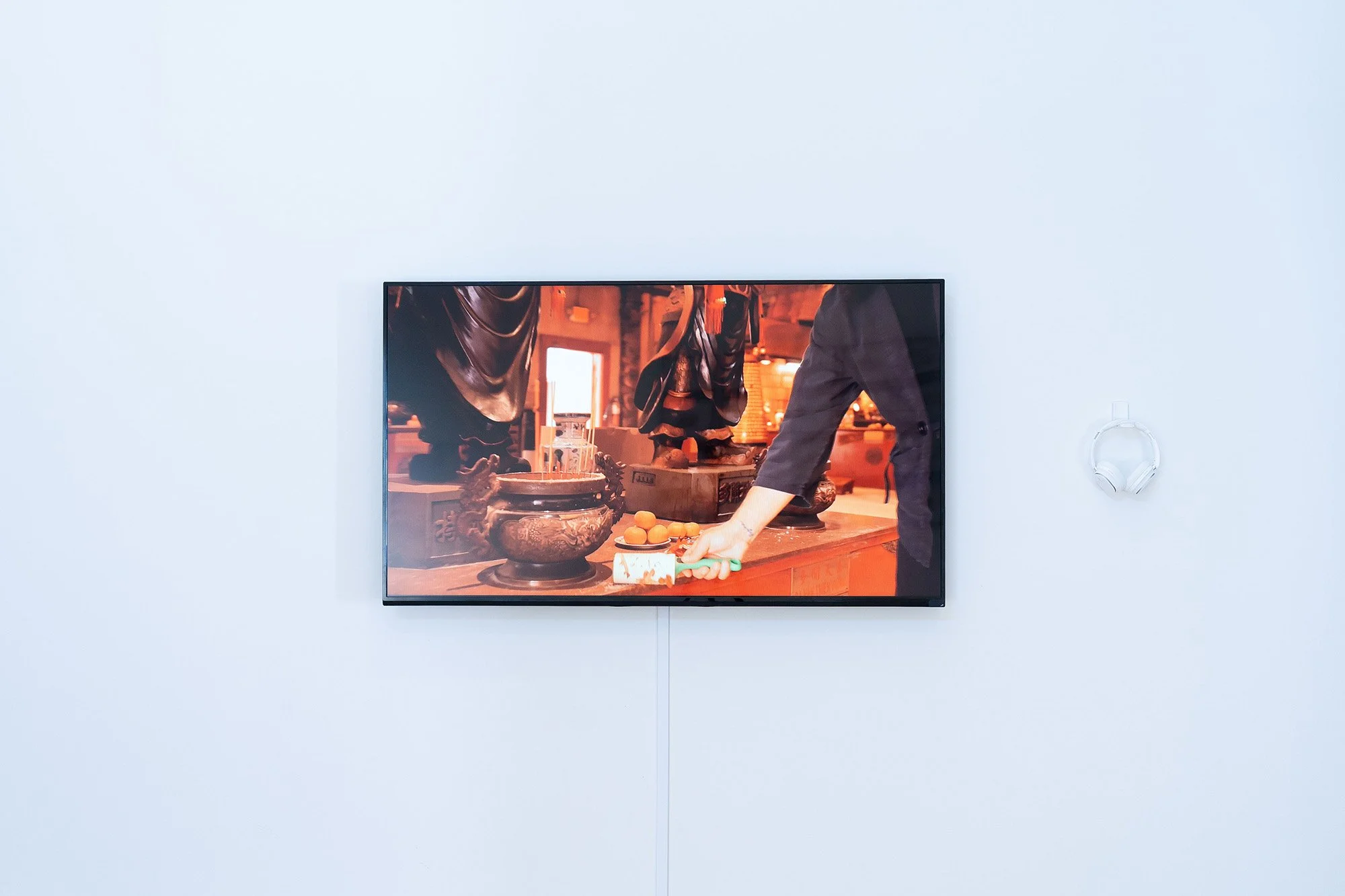
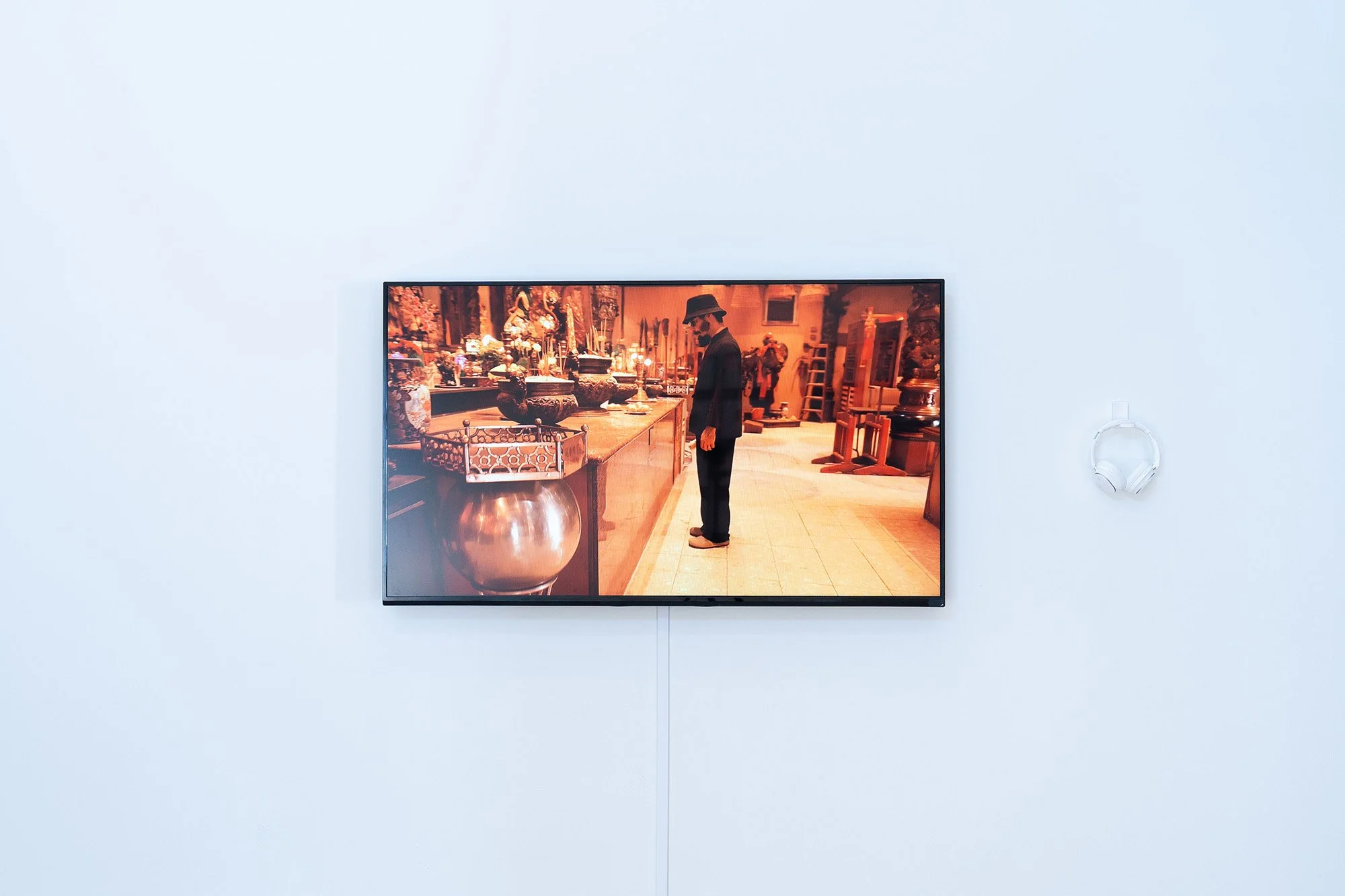
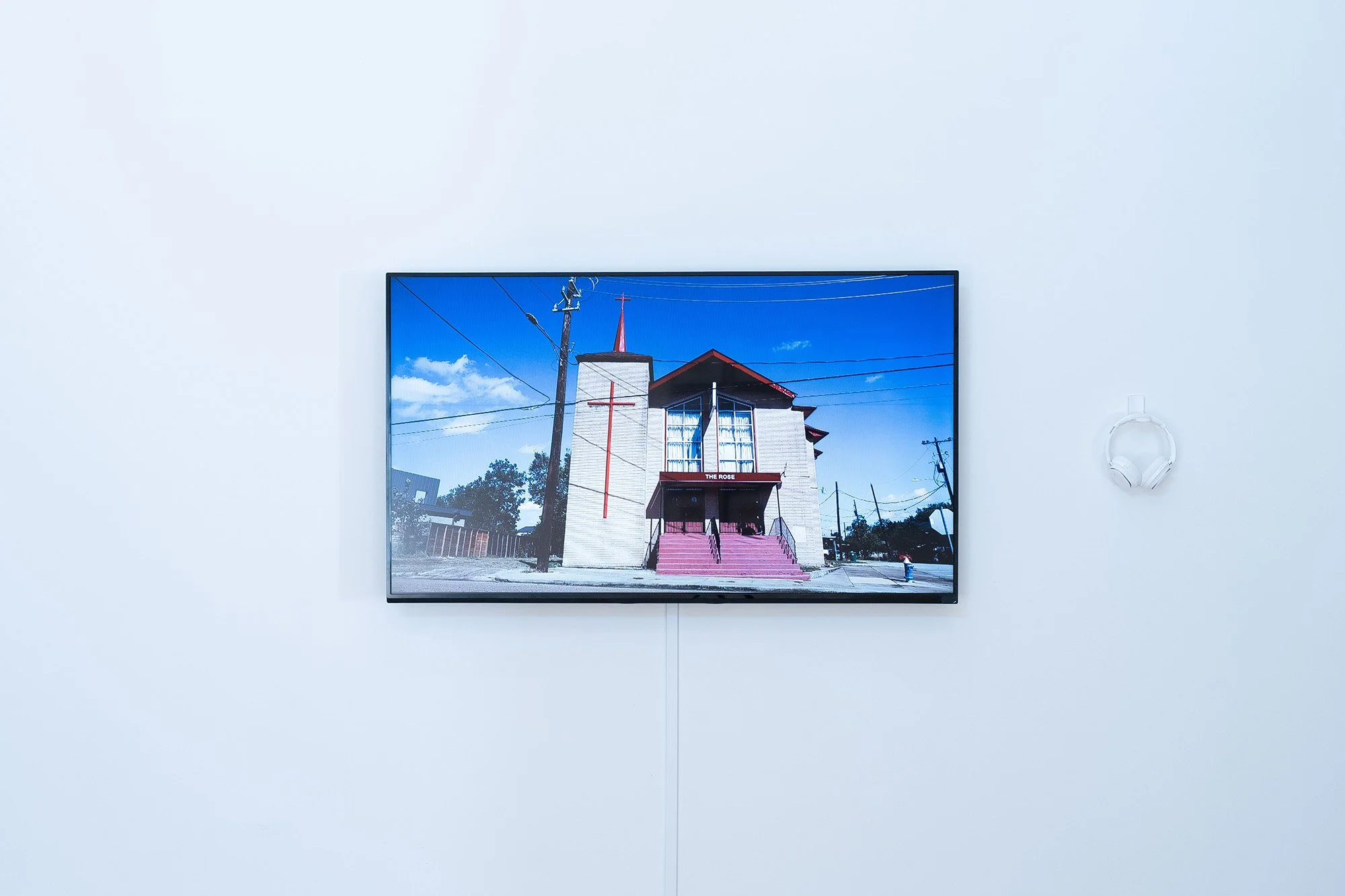
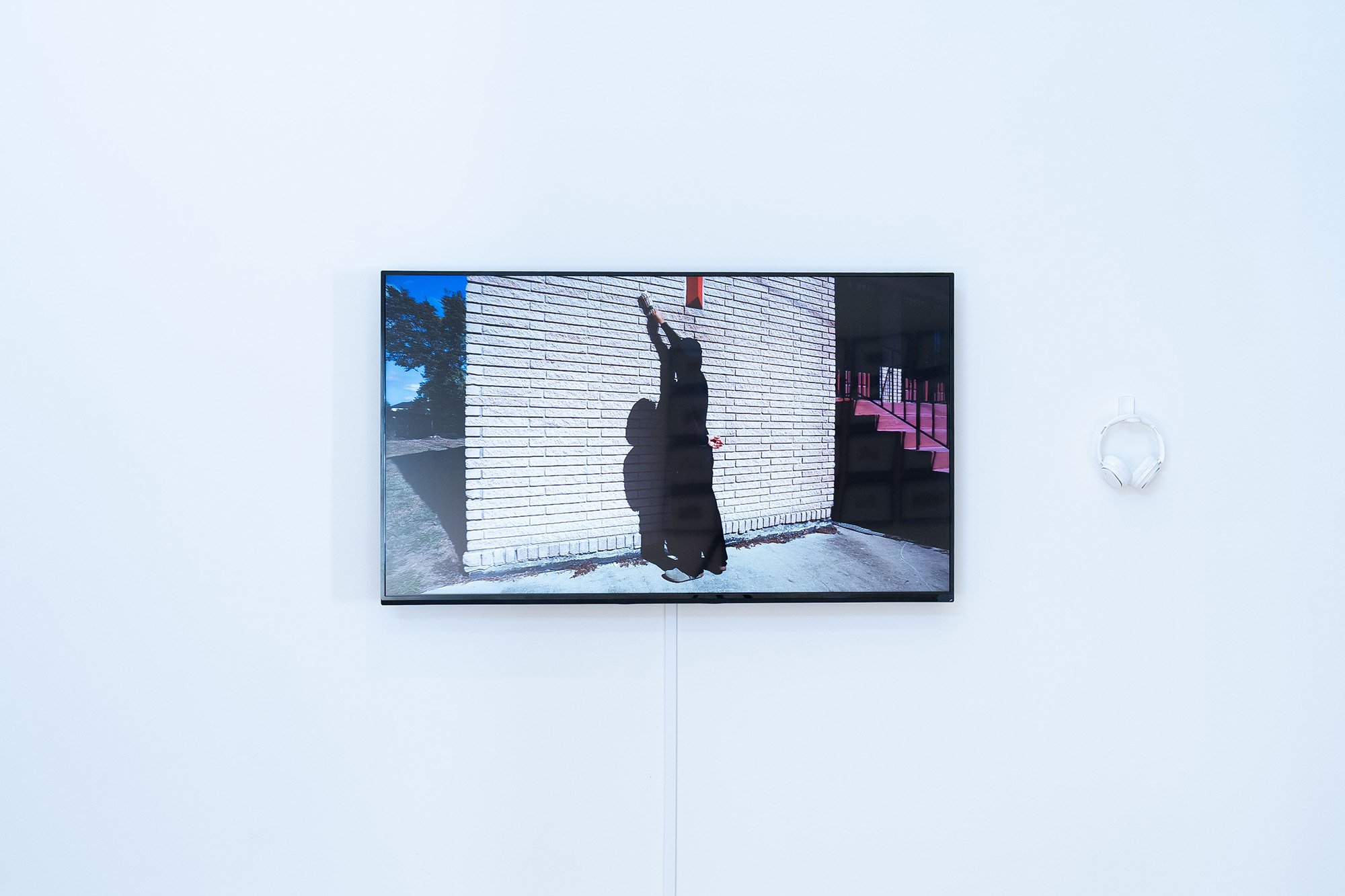
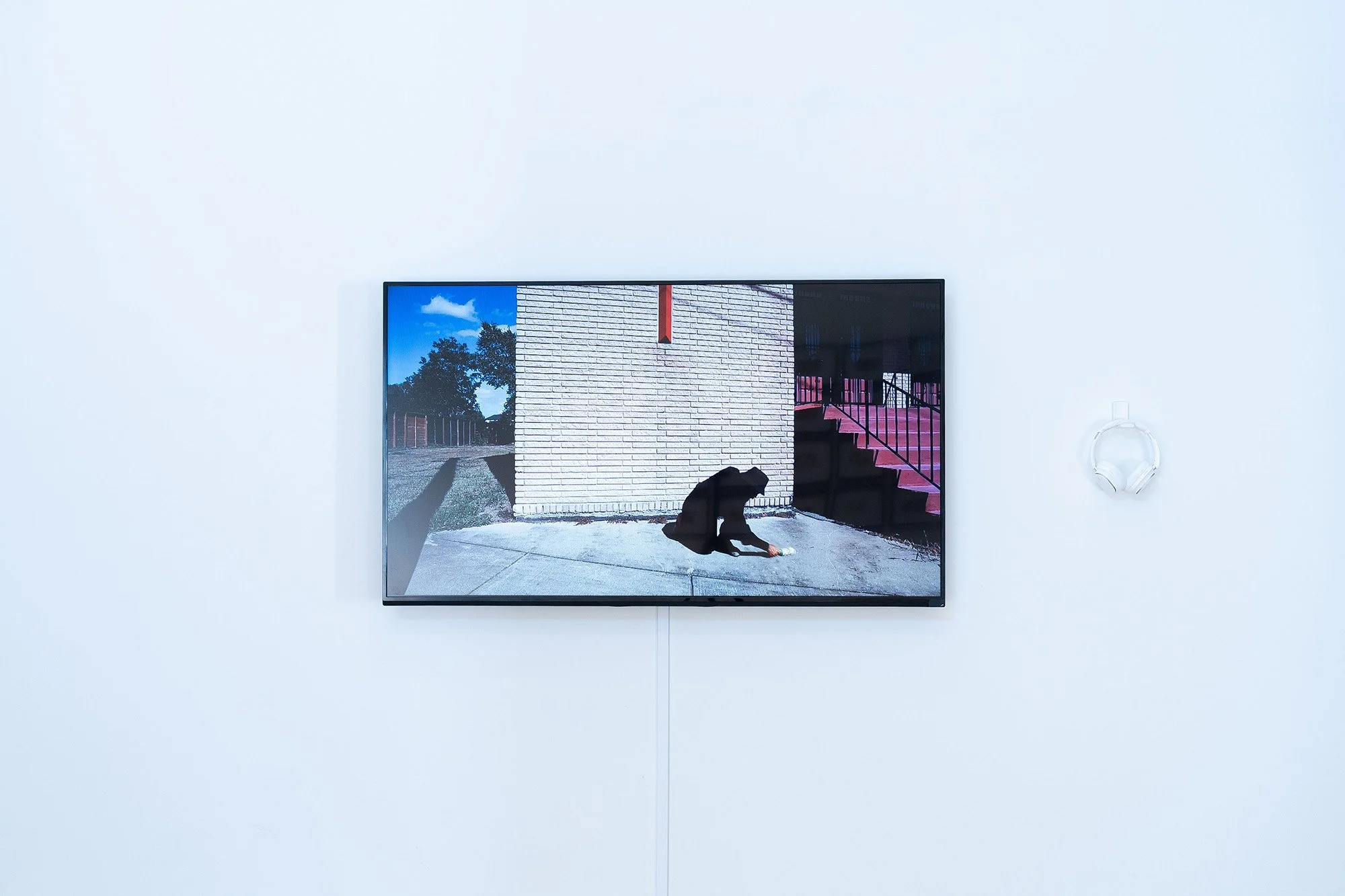
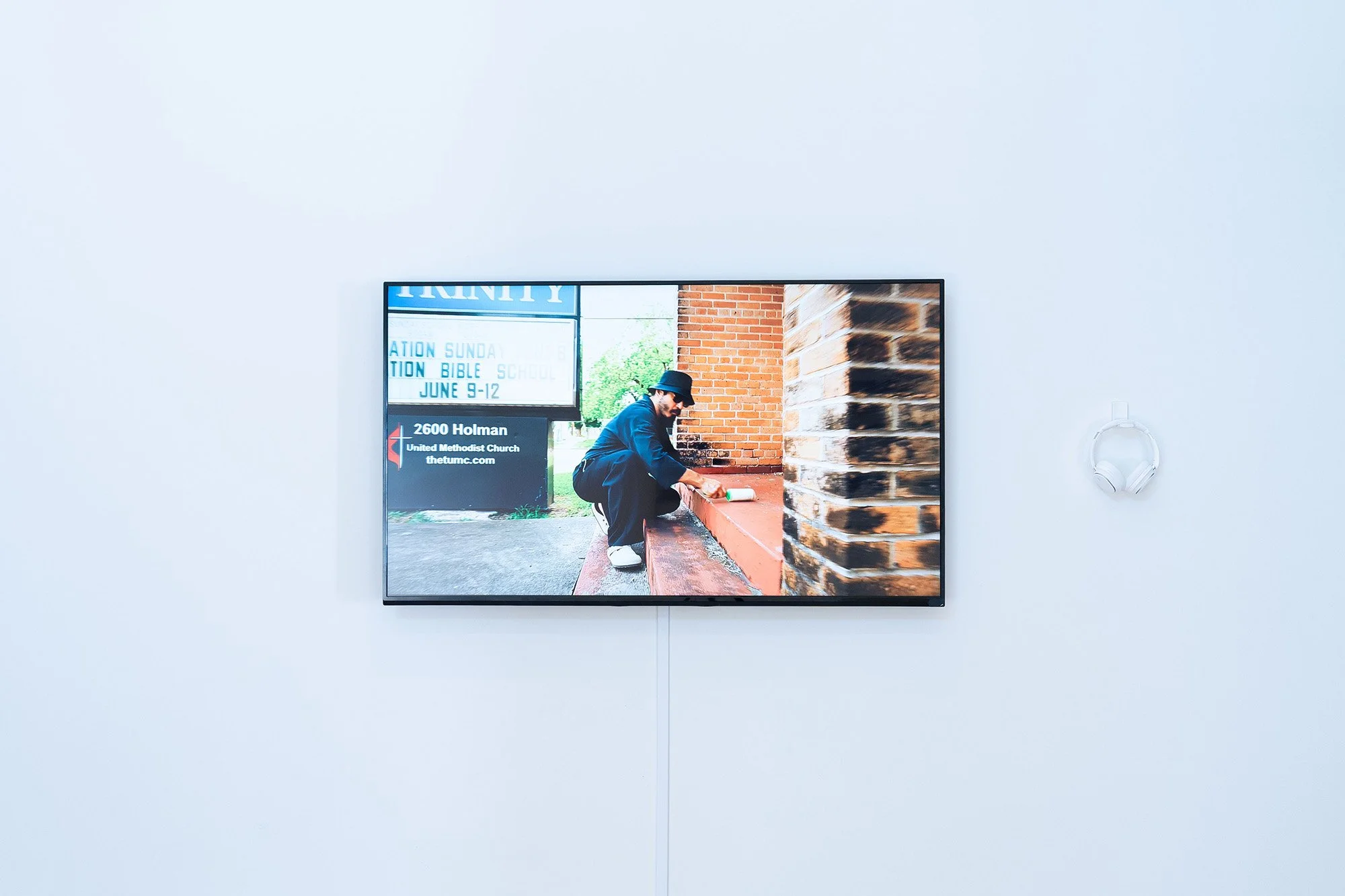
Photos by Alan Perez II
ACKNOWLEDGEMENTS
Stephen Fox is an architectural historian and a lecturer at the Rice University School of Architecture. Lecturer at the Gerald D. Hines College of Architecture at the University of Houston.
Lindsay Gary, professor-scholar, multidisciplinary artivist, and social entrepreneur; Houston. Valentin Diaconov, PhD. Curator of Modern and Contemporary art at the Whitworth; Manchester, England.
Stephen Hanley, Imaging Conservator Specialist; MFAH.
Raul Ramos, PhD. Professor of History, Director Center for Arts and Humanities; the University of Houston.
Margo Handwerker, PhD. Dean of the Glassell School of Art; MFAH.
Reverend David Punch, Pastor. Great Zion Missionary Baptist Church; Houston, Texas.
Maria Ines Sicardi, director Sicardi, Ayers, Bacino Gallery; Houston, Texas.
Surpik Angelini, founding director, curator and cultural researcher at the Transart Foundation, Houston, Texas.
PRODUCTION CREDITS
Exhibition Graphic Concept: Claudia Patricia Olivera
Infrared Imaging Setup: Stephen Hanley
Videos: Alan Perez
3D Modeling: Daniel Santoyo
Exhibition Installation and Mounting: Timi Walters / Tito Ramos
Framing: Edilberto Pelegrino
Custom Wall Supports: Merge Studios LLC
360 VR Edition: Marcos E. Louit
SUPPORT
Gut It, Forget It. Invisible Houston is supported by the Transart Artist Research Grant 2025 and the City’s Initiative Grant from the City of Houston through Houston Arts Alliance (Oct 1, 2025–Oct 1, 2026), with the generous support of Micheline Ferrand Newall. The exhibition is presented in collaboration with Sicardi | Ayers | Bacino.